
What if the secret to elevating your culinary creations lies in a simple yet fascinating technique? Emulsification can transform ordinary ingredients into extraordinary dishes, enhancing flavors and textures in ways you might not have imagined.
What You Will Learn
- Emulsification is the process of mixing two immiscible liquids, such as oil and water, to create stable mixtures.
- There are two main types of emulsions: oil-in-water (e.g., vinaigrettes) and water-in-oil (e.g., mayonnaise).
- Emulsifiers like egg yolks, mustard, and honey play a crucial role in stabilizing emulsions, preventing separation.
- Common stabilizers, such as xanthan gum, help maintain the consistency of emulsions and enhance their texture.
- Understanding the science of emulsification allows you to experiment and elevate your cooking by crafting flavorful sauces.
- Practicing emulsification techniques can lead to improved culinary skills and a deeper appreciation for flavor balance.
Understanding Emulsification: Oil-in-Water vs. Water-in-Oil
Emulsification is the process of mixing two immiscible liquids, like oil and water, to create a stable blend. This visual categorizes the two primary types of emulsions and lists common examples of each. Understanding these concepts is fundamental to mastering various culinary techniques, including those involved in how textures impact taste perception.
What is an Emulsion?
A stable mixture of two liquids that usually don't mix, like oil and water, achieved through mechanical dispersion and often with the help of an emulsifier.
Oil-in-Water Emulsions
Oil droplets dispersed in a water-based liquid.
- Salad Dressings
- Sauces
- Marinades
Water-in-Oil Emulsions
Water droplets dispersed in an oil-based liquid.
- Mayonnaise
- Hollandaise
- Butter Sauces
Comprehending Emulsification: The Basics Explained
Emulsification is an essential technique in cooking that helps us create delightful sauces, dressings, and more. But what exactly is an emulsion? It may sound scientific, but it’s all about understanding how different liquids interact! In essence, an emulsion is a mixture of two immiscible liquids—like oil and water—that normally don’t blend together.

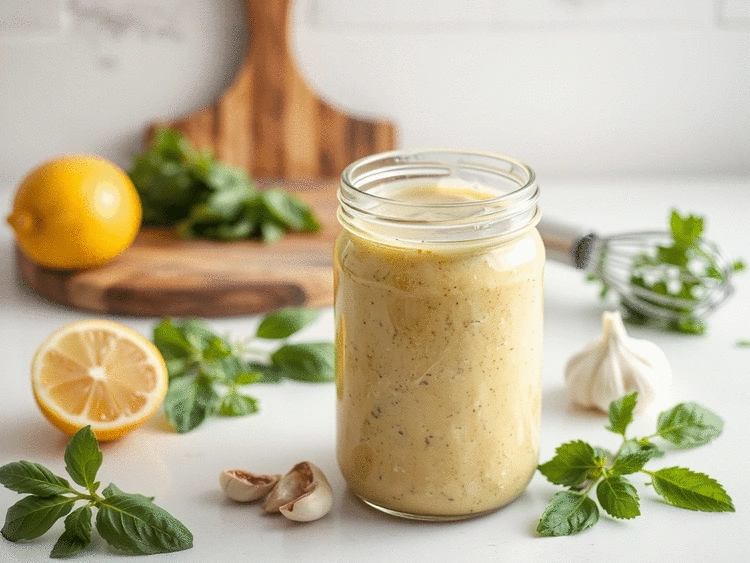
There are two main types of emulsions: oil-in-water and water-in-oil. An oil-in-water emulsion is when oil droplets are suspended in water, which is common in vinaigrettes. On the other hand, a water-in-oil emulsion, like mayonnaise, has water droplets dispersed in oil. Understanding these differences is crucial when you're experimenting in your kitchen to elevate your dishes!
What Constitutes an Emulsion?
Defining Oil-in-Water and Water-in-Oil Emulsions
In the world of emulsions, knowing how to identify oil-in-water and water-in-oil emulsions can help you choose the right techniques for your recipes. Oil-in-water emulsions are usually lighter and typically include ingredients like salad dressings and sauces. Conversely, water-in-oil emulsions tend to be richer and more decadent, commonly found in butter and cream-based sauces.
- Oil-in-water: Common in salad dressings, sauces, and marinades.
- Water-in-oil: Found in mayonnaise, hollandaise, and butter sauces.
As you navigate through your culinary adventures, think about how these emulsions can enhance your dishes. It’s fascinating how a simple combination can transform a meal!
The Science Behind Emulsions: Immiscible Liquids
At the heart of emulsification lies the concept of immiscibility, which means that certain liquids, like oil and water, won't mix on their own. This is where emulsifiers come into play, allowing these liquids to come together and create a stable mixture. The intriguing part? This scientific process also brings out the flavors and textures of your ingredients in an incredible way!
When you whip together an emulsion, you're not just mixing; you're engaging in a dance of flavors that can elevate any dish. Each ingredient plays a role, and understanding their interactions can lead to truly memorable culinary experiences.
The Role of Emulsifiers in Creating Stable Sauces
Emulsifiers are a cook's best friend when it comes to achieving that perfect blend. They help stabilize emulsions, preventing the separation of oil and water. Common emulsifiers include egg yolks, mustard, and even honey! These ingredients contain molecules that have a hydrophilic (water-attracting) end and a hydrophobic (water-repelling) end, creating a bridge between the two immiscible liquids. This intricate process is a prime example of the fundamental principles of food science and flavor transformation.
Common Emulsifying Agents: From Egg Yolks to Mustard
- Egg yolks: A classic choice for mayonnaise and dressings.
- Mustard: Adds flavor and stability to sauces.
- Honey: A natural emulsifier that can sweeten and stabilize.
When you incorporate these emulsifiers into your recipes, you're not just enhancing flavor; you're also creating a beautifully textured sauce that clings perfectly to your favorite dishes.
Understanding Stabilizers and Their Functionality
Stabilizers play a vital role in keeping emulsions intact. They help maintain consistency and prevent separation over time. Many stabilizers, such as xanthan gum and guar gum, can be used in various culinary applications, providing a silky texture and ensuring that your sauces stay perfectly blended.
By selecting the right stabilizers, you can unlock new dimensions in your cooking, allowing for enhanced flavor profiles and texture that impress your family and friends!
Exploring Lecithin: A Versatile Emulsifier in Cooking
Lecithin is another fabulous emulsifier worth highlighting! Found in egg yolks and soybeans, it’s a wonderful ingredient that can help bring your sauces together beautifully. Its versatility means you can incorporate it into various recipes, whether you're making creamy sauces or luscious desserts.
As you explore the world of emulsifiers, I encourage you to play with these ingredients in your kitchen. The joy of discovering new textures and flavors is what cooking is all about! What are your favorite emulsifiers to use? Share your culinary experiences with me as we uncover more delicious possibilities together!

Pro Tip
Did you know? When creating emulsions, the temperature of your ingredients can significantly influence the stability of the mixture. For best results, ensure that your oil and water are at similar temperatures to improve emulsion formation and maintain a smooth texture.
Frequently Asked Questions about Emulsification
What is an emulsion in cooking?
An emulsion is a stable mixture of two liquids that typically do not mix, such as oil and water. This stability is achieved through mechanical dispersion and often with the help of an emulsifying agent.
What are the two main types of emulsions?
The two main types are oil-in-water emulsions (where oil droplets are dispersed in a water-based liquid, like vinaigrettes) and water-in-oil emulsions (where water droplets are dispersed in an oil-based liquid, like mayonnaise).
What role do emulsifiers play?
Emulsifiers help stabilize emulsions by containing molecules with both water-attracting (hydrophilic) and water-repelling (hydrophobic) ends, creating a bridge between immiscible liquids and preventing separation.
Can you give examples of common emulsifying agents?
Common emulsifying agents include egg yolks, mustard, and honey. Lecithin, found in egg yolks and soybeans, is also a versatile emulsifier.
How do stabilizers differ from emulsifiers?
While emulsifiers help form the emulsion, stabilizers (like xanthan gum) help maintain its consistency and prevent separation over time, enhancing texture and ensuring the emulsion remains blended.
Final Thoughts on Emulsification Techniques for Home Cooking
As we wrap up our exploration of emulsification, it’s clear that mastering this fundamental technique can elevate our culinary experiences significantly. Understanding how to create a stable emulsion is not merely a skill; it's a gateway to crafting flavorful sauces that truly enhance every meal. Remember, each emulsion tells a story, just like the dishes we prepare at Born Foodie. They connect us to our culinary roots and inspire creative expression!
Here are a few key takeaways on emulsion creation:
- Ingredients Matter: Choose quality oils and fresh emulsifiers for the best flavor.
- Technique is Crucial: Pay attention to your mixing method and ratios for consistent results.
- Practice Makes Perfect: Don’t be afraid to experiment with different combinations and techniques!
Summarizing Key Takeaways on Emulsion Creation
Emulsification is about balance, both in flavors and in technique. The right oil-to-water ratio can make or break your sauce. I encourage you to think of each ingredient not just as a flavor contributor but as a part of a larger narrative that enhances your meals. Have you ever tried crafting a vinaigrette that mirrors a cherished memory? It’s these deep connections that transform cooking into a true art form. This reminds me of the profound impact of emotional food memories on our eating habits.
Don’t hesitate to explore and let your taste buds guide you. Emulsification isn't just about science; it’s also about the joy of discovering new flavor profiles. So, roll up your sleeves and get ready to create your own culinary masterpieces!
Join the Conversation: Share Your Experiences and Recipes
Now that you’re equipped with the essential techniques for emulsification, I’d love to hear how this knowledge enhances your cooking journey. Have you had any memorable moments while experimenting with sauces? Sharing these stories can inspire others in our Born Foodie community! Just as blending innovation with tradition creates culinary magic, sharing our experiences enriches us all.
- How has emulsification changed your approach to cooking? Share your insights!
- What are your favorite recipes that utilize emulsifications? I’m all ears for delightful suggestions!
- Which culinary techniques have you found to create the best flavor balance? Let’s discuss!
Engagement is a beautiful part of our culinary adventures. By sharing tips and experiences, we not only learn from each other but also deepen our appreciation for food's emotional and cultural narratives. Let’s continue this delicious journey together, one emulsion at a time!
Recap of Key Points
Here is a quick recap of the important points discussed in the article:
- Understand Emulsions: Emulsions are mixtures of immiscible liquids like oil and water, classified into oil-in-water and water-in-oil types.
- Know Your Emulsifiers: Common emulsifiers like egg yolks, mustard, and honey help stabilize emulsions, allowing for a perfect blend in sauces.
- Choose Quality Ingredients: Using fresh emulsifiers and quality oils enhances the flavor and texture of your emulsions.
- Technique Matters: Proper mixing methods and ratios are crucial for achieving consistent and stable emulsions.
- Experiment Freely: Don’t hesitate to try different combinations and techniques to discover new flavors and textures.