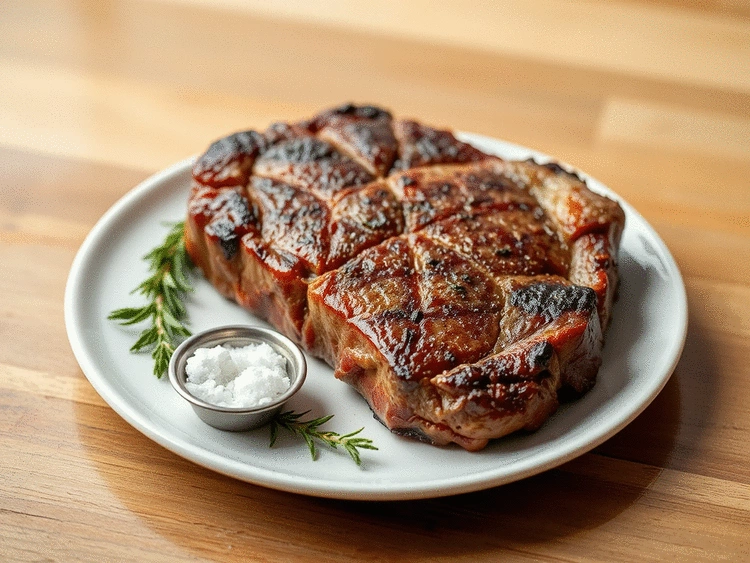

Have you ever wondered why the crust on your favorite bread is so irresistible? The secret lies in the chemistry of cooking—specifically, the Maillard reaction. This fascinating process not only influences flavor but also the way we connect with our meals emotionally. Let's delve into the key insights that can transform your cooking experience!
What You Will Learn
- The Maillard reaction enhances flavor, color, and aroma, making your dishes more appealing.
- Understanding the role of amino acids and reducing sugars is crucial for flavor development.
- Temperature, moisture, and time are essential factors for achieving optimal browning.
- Techniques like drying surfaces and cutting ingredients into smaller pieces can significantly enhance flavor.
The Maillard Reaction: Unlocking Flavor and Aroma
The Maillard reaction is a fundamental process in cooking, transforming food's taste, appearance, and aroma. This visual breaks down its key components, factors, and effects. For a deeper understanding of how flavors connect to our past, explore emotional food memories and eating.
Key Components
- Amino Acids: Building blocks of proteins.
- Reducing Sugars: Carbohydrates like glucose, fructose.
- Heat: Initiates the reaction (around 285°F / 140°C).
Culinary Impact
- Enhanced Flavor: Savory, complex, umami notes.
- Improved Appearance: Golden brown crust.
- Increased Aroma: Enticing fragrances.
Factors for Optimal Browning
- Temperature: Right heat for initiation.
- Moisture: Dry surfaces brown better.
- Time: Allows complex flavors to develop.
- Surface Area: More contact, more browning.
Common Examples
- Seared Meats: Steak, chicken.
- Baked Goods: Bread, pastries.
- Roasted Vegetables: Carrots, potatoes.
- Toasted Coffee Beans: Rich aroma.
Understanding the Maillard Reaction: The Science of Flavor Transformation
The Maillard reaction is one of the most fascinating and essential processes in cooking, shaping the taste and aroma of many dishes we love. It occurs when amino acids and reducing sugars react under heat, creating complex flavors and beautiful browning. But why does it matter? Understanding this reaction can help us elevate our culinary creations and savor the full spectrum of flavors that a well-cooked meal can offer!
Imagine biting into a perfectly seared steak or a golden-brown loaf of bread; that delicious crust is a direct result of the Maillard reaction. It’s a testament to the science of cooking, reminding us that every meal is not just about nourishment but also about the magic of flavor transformation.

What is the Maillard Reaction and Why Does it Matter?
The Maillard reaction is a chemical process that begins at around 285°F (140°C) and is responsible for the browning of food. It’s what gives grilled meats, roasted coffee, and baked pastries their distinct flavors and appealing colors. You might be wondering, how can I use this to my advantage in the kitchen? Well, knowing how to harness this reaction opens doors to enhancing your meals! For more on how to transform dishes, check out understanding umami flavors.
- Enhances Flavor: Creates savory, complex flavors.
- Improves Appearance: Adds an appealing brown color.
- Increases Aroma: Releases enticing fragrances that heighten the dining experience.
Through the Maillard reaction, we can bridge the emotional connections we have with food and the science that brings those flavors to life. Every time I cook, I think about the stories behind my dishes and how this scientific process plays a role in their creation.
The Chemistry Behind Browning: Amino Acids and Reducing Sugars
At its core, the Maillard reaction involves amino acids and reducing sugars. When we cook, these two elements interact, forming new compounds that contribute to the depth of flavor. This transformation is more than just a chemical reaction; it’s a sensory experience that connects us to the food we eat. Have you ever noticed how a well-cooked piece of meat can evoke cherished memories of family meals? That’s the magic of the Maillard reaction at work!
- Amino Acids: Building blocks of proteins that react during cooking.
- Reducing Sugars: Carbohydrates that participate in the browning process.
- Temperature: The heat must be just right to initiate the reaction.
Understanding this chemistry allows us to manipulate flavors intentionally, making our cooking more impactful. It’s not just about following a recipe but exploring the science behind why certain techniques yield the best results!
Flavor Development: How the Maillard Reaction Enhances Taste Perception
The Maillard reaction significantly influences taste perception. As the reaction occurs, it produces hundreds of different compounds, which can heighten sweetness, umami, and even bitterness. This complexity is what makes food deeply satisfying and memorable. The next time you enjoy a beautifully seared dish, take a moment to appreciate the rich tapestry of flavors crafted by this remarkable reaction!
- Umami Boost: Adds savory depth to proteins.
- Bitter Notes: Balances flavors in certain dishes.
- Sweet Enhancements: Deepens sweetness in baked goods.
As I reflect on my culinary journey, I’m reminded of how exploring the Maillard reaction has allowed me to create dishes that resonate not just on a taste level but also on an emotional one. Each flavor tells a story, and understanding this science helps me share those stories more effectively through my writing on Born Foodie.

Did You Know?
The Maillard reaction can produce over 1,000 different flavor compounds! This complexity is what makes cooking such an art form, allowing chefs to create unique and memorable dishes that resonate with our senses.
Summarizing the Maillard Reaction and Its Culinary Significance
As we wrap up our exploration of the Maillard reaction, it’s clear that this amazing process is not just a scientific curiosity; it’s a cornerstone of flavor in our culinary adventures. This reaction, where amino acids and reducing sugars interact under heat, is what gives our favorite roasted, grilled, and seared foods their irresistible brown color and rich taste. Whether you’re a seasoned chef or a home cook, understanding the Maillard reaction is key to elevating your dishes!
- The Maillard reaction contributes to complex flavor profiles in cooked food.
- Temperature, moisture, and time are crucial factors for optimal browning.
- Innovative techniques, like searing and baking soda use, can enhance flavor significantly.
- Health implications, including benefits and potential concerns like acrylamide, are essential for mindful cooking.
By mastering these fundamentals, we can turn ordinary meals into memorable experiences filled with depth and richness. Remember, every meal is an opportunity to tell a story through flavor.
Key Takeaways for Home Cooks: Elevate Your Dishes
Now that we’ve dissected the Maillard reaction, here are some actionable takeaways to help you harness its power in your kitchen:
- Control the heat: Find that sweet spot between low and high temperatures for optimal browning.
- Pay attention to moisture: A dry surface allows for better browning, so pat your proteins dry before cooking.
- Don’t rush it! Give your ingredients time to develop those complex flavors. Slow cooking often yields better results.
- Experiment with surface area: Cut your ingredients into smaller pieces for more contact with the heat.
With these tips in mind, you can start exploring the profound effects of the Maillard reaction, transforming your cooking techniques and enhancing the flavors of your beloved dishes.
Get Involved: Share Your Culinary Experiences
At Born Foodie, we believe that food is more than just sustenance; it’s an experience that connects us to our past, our culture, and to one another. I invite you to dive deeper into your culinary journey and share your insights!
Engage With Us: Your Favorite Maillard-Enhanced Recipes
Do you have a special recipe that showcases the Maillard reaction? Perhaps it’s a perfectly seared steak, or maybe a caramelized vegetable medley that sings with flavor. I’d love to hear about your culinary creations! What dishes have you cooked that highlight this fascinating reaction? Share your experiences and let's celebrate the art of cooking together!
Join the Conversation: Questions and Insights on Cooking Chemistry
Cooking is a constant learning journey, and I’m here to guide you along the way! If you have questions about the Maillard reaction or cooking techniques in general, don’t hesitate to ask. How do you navigate cooking chemistry in your kitchen? Join the conversation by commenting below, and let’s uncover the layers of flavor together!
Recap of Key Points
Here is a quick recap of the important points discussed in the article:
- Understanding the Maillard Reaction: A vital process in cooking that enhances flavors, appearance, and aroma.
- Key Components: Involves amino acids and reducing sugars reacting under heat for flavor transformation.
- Flavor Development: The reaction creates complex flavor profiles, enhancing umami, bitterness, and sweetness.
- Cooking Techniques: Control heat, moisture, and time for optimal browning and flavor development.
- Health Considerations: Be mindful of potential concerns like acrylamide while enjoying the benefits of the Maillard reaction.
Frequently Asked Questions About the Maillard Reaction
What is the Maillard reaction?
The Maillard reaction is a chemical process between amino acids and reducing sugars that occurs under heat, typically around 285°F (140°C), creating complex flavors, appealing browning, and enticing aromas in food.
What are the key components needed for the Maillard reaction to occur?
The primary components are amino acids (from proteins) and reducing sugars (carbohydrates like glucose and fructose), along with sufficient heat to initiate the reaction.
How does the Maillard reaction affect food?
It significantly enhances flavor by producing savory, umami, and complex notes; improves appearance by creating a golden-brown crust; and increases aroma, making dishes more appealing.
What factors influence optimal browning in the Maillard reaction?
Key factors include temperature (the right heat for initiation), moisture (dry surfaces brown better), time (allows complex flavors to develop), and surface area (more contact with heat leads to more browning).
Can the Maillard reaction be applied to different types of food?
Yes, it's responsible for the flavors and colors in a wide range of foods, including seared meats, baked goods like bread and pastries, roasted vegetables, and even toasted coffee beans.