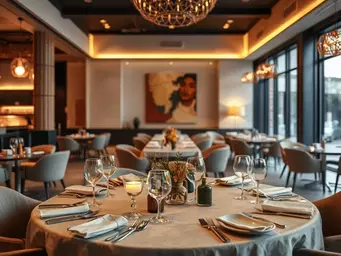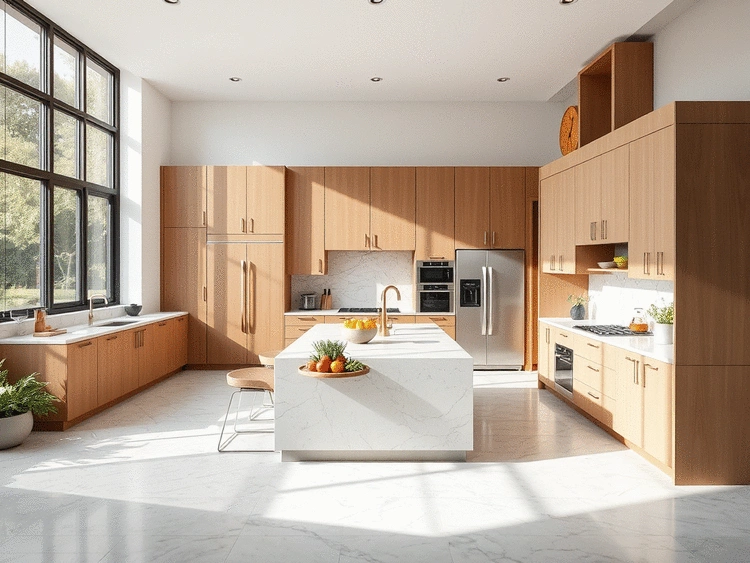

Creating a culinary space is not just about function; it's about infusing personality and warmth into an environment that nurtures creativity. As you embark on your kitchen design journey, consider how every decision shapes the atmosphere and stories told through food.
What You Will Learn
- A well-planned kitchen layout enhances workflow and minimizes stress during cooking.
- Choosing the right materials can transform the ambiance of your kitchen and reflect your culinary style.
- Natural light significantly enhances the kitchen's mood and visual appeal, making cooking a joyful experience.
- Different kitchen layouts serve specific purposes, catering to various cooking needs and styles.
- Selecting functional materials ensures both aesthetic appeal and hygiene in your culinary space.
- Engaging in the design process fosters a deeper appreciation for your culinary experiences and creations.
Key Elements for Inviting Culinary Spaces
Crafting an inviting culinary space involves thoughtful consideration of layout, materials, and natural light. Below are the core factors that contribute to both beauty and efficiency in a kitchen design. For more insights into how design influences dining, explore architecture's impact on the dining experience.
Kitchen Layouts: Purpose & Efficiency
- ‣Galley: Narrow spaces, streamlined workflow
- ‣Island: Social interaction, flexible functions
- ‣Open: Aesthetics & customer interaction
Material Choices: Ambience & Function
- ‣Wood: Warmth & rustic charm
- ‣Stainless Steel: Sleek & professional
- ‣Quartz/Tile: Durability & hygiene
Natural Light: Mood & Appeal
- ‣Maximize windows for sunlight
- ‣Glass doors for indoor/outdoor flow
- ‣Skylights to brighten space
Understanding Inviting Culinary Spaces: Factors That Matter
Creating an inviting culinary space is essential for any food lover or culinary professional. It’s not just about aesthetics; it’s about crafting an environment where food can tell its stories. In my journey as the founder of Born Foodie, I’ve discovered that certain factors significantly contribute to the warmth and functionality of a kitchen. Let’s dive into what makes a kitchen not only beautiful but also efficient!
Why the Right Kitchen Layout is Crucial for Success
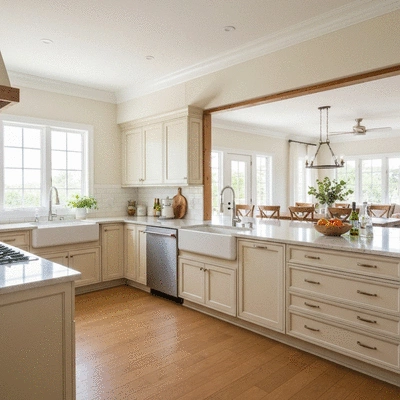
The layout of your kitchen can make or break your culinary experience. A well-thought-out design ensures that everything is within reach, allowing for smooth workflows and minimizing stress during busy cooking sessions. When planning your kitchen, think about your cooking style and how you move about the space. This consideration can elevate your cooking from routine to exceptional! This thoughtful approach to design mirrors the way successful chefs blend innovation with tradition in their culinary creations, as discussed in blending innovation with tradition.
- Efficient workflows keep your focus on creativity.
- Flow of movement reduces accidents and interruptions.
- Proper zoning helps distinguish between prep, cooking, and serving areas.
When you invest time in considering your kitchen layout, you’re not just designing a space; you’re crafting an experience that reflects your passion for food!
Exploring the Connection Between Materials and Ambience
Materials play a pivotal role in defining the ambience of your culinary space. The right combination not only enhances aesthetics but also meets practical needs. For instance, warm woods can evoke comfort, while sleek metals may impart a modern feel. It’s fascinating how a simple choice in materials can influence the emotional connection we have with our kitchens!
- Wood: Adds warmth and a rustic charm.
- Stainless Steel: Offers a sleek, professional look.
- Tile: Provides durability and easy maintenance.
As you select materials, consider how you want to feel in your space. Each choice should resonate with your culinary narrative and enhance the stories you share through food.
Incorporating Natural Light for a Welcoming Atmosphere
Natural light can transform any kitchen into a welcoming haven. It not only brightens up the space but also elevates the mood and enhances the visual appeal of your dishes. Picture yourself cooking in a sun-drenched kitchen, where each ingredient sparkles and every meal feels like a celebration!
- Maximize windows for optimal sunlight.
- Use glass doors to connect indoor and outdoor spaces.
- Incorporate skylights to bring in more light.
Embracing natural light in your kitchen design fosters an atmosphere that encourages creativity and connection, whether you’re cooking solo or sharing a meal with loved ones.
Pro Tip
Did you know? Incorporating a mix of materials in your culinary space not only enhances its aesthetic appeal but also contributes to the overall functionality. For example, pairing warm wood accents with sleek stainless steel can create a perfect balance between comfort and modernity, ensuring that your kitchen is both inviting and efficient!
Frequently Asked Questions About Culinary Space Design
Q: What are the most important factors for creating an inviting culinary space?
A: The most important factors include thoughtful consideration of layout, appropriate material choices, and maximizing natural light. These elements contribute to both the beauty and efficiency of the kitchen.
Q: How does kitchen layout impact the cooking experience?
A: A well-planned kitchen layout ensures smooth workflows, minimizes stress during cooking, and prevents accidents. Different layouts, such as galley, island, or open, cater to specific cooking styles and needs.
Q: What role do materials play in defining a kitchen's ambiance?
A: Materials significantly influence the ambiance. Warm woods can create a rustic charm, while stainless steel offers a modern, professional look. Non-porous materials like quartz and tile also ensure hygiene and durability.
Q: Why is natural light important in a culinary space?
A: Natural light brightens the space, elevates mood, and enhances the visual appeal of dishes. Maximizing windows, using glass doors, and incorporating skylights can create a welcoming and inspiring atmosphere.
Q: What are some common kitchen layouts and their benefits?
A: Common layouts include: Galley kitchens for narrow spaces and streamlined workflow; Island kitchens for social interaction and flexible functions; Open kitchens for aesthetics and customer interaction; and L-shaped/U-shaped kitchens for maximizing space and traffic flow in larger areas.
Summarizing Key Insights for Culinary Space Design
As we wrap up our exploration of culinary space design, it’s essential to reflect on the various kitchen layouts we've discussed. Each design serves a unique purpose and caters to different culinary needs. Here’s a quick recap of the layouts we’ve examined and their optimal uses:
- Galley Kitchen: Perfect for narrow spaces, offering efficiency and streamlined workflow.
- Island Kitchen: Ideal for social interaction, providing flexibility for multiple cooking functions.
- Open Kitchen: Balances aesthetics with practicality, enhancing customer experience and interaction.
- L-Shaped and U-Shaped Kitchens: These layouts maximize space utilization and traffic flow for larger culinary operations.
Each layout brings its own flavor to a culinary space, much like the ingredients in your favorite dish! Understanding these designs allows you to create an inviting atmosphere that resonates with both chefs and diners alike.
Final Thoughts on Materials That Enhance Culinary Spaces
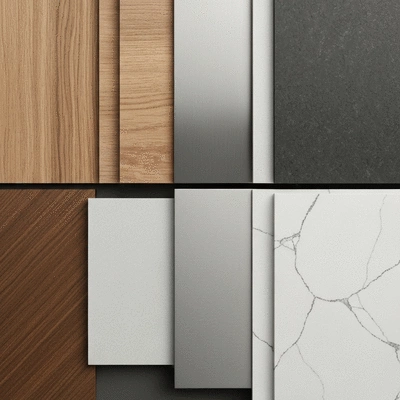
The choice of materials in your kitchen is just as crucial as the layout itself. Non-porous surfaces, for example, are vital for maintaining hygiene and ease of cleaning. In my journey with Born Foodie, I’ve come to appreciate how the right materials can transform a culinary space. Here are some key materials that enhance the functionality and ambiance of kitchens:
- Stainless Steel: Durable and easy to sanitize, perfect for countertops and appliances.
- Quartz: Non-porous and resistant to stains, making it a great choice for surfaces.
- Tile: Versatile and stylish, ideal for backsplashes and flooring.
- Wood: Adds warmth and character but requires careful maintenance to avoid damage.
Choosing the right materials not only enhances the aesthetic appeal but also creates a safe and efficient cooking environment. As we focus on crafting culinary spaces, let’s remember that every element can contribute to telling a story—one that resonates with the heart of the kitchen and perhaps even evokes joyful food memories.
Engaging with Your Kitchen Design Journey
Next Steps for Planning Your Inviting Culinary Space
As you embark on your kitchen design journey, take a moment to map out your vision. Think about the layout that speaks to you and how you want to feel while cooking or hosting guests. Here are some steps you can take to move forward:
- Define your cooking style and how much space you'll need.
- Consider the materials that not only suit your aesthetic but also your functionality needs.
- Sketch out potential layouts to visualize your dream kitchen.
- Evaluate your budget and prioritize the features that matter most to you.
Engaging in this planning process will not only prepare you for the renovation but also deepen your appreciation for the culinary experience you wish to create.
Encouraging Feedback and Sharing Experiences in Kitchen Design
At Born Foodie, we thrive on community and shared experiences. I would love to hear about your own kitchen design journeys! What layouts have worked for you? Which materials have you found to enhance your culinary adventures? Let’s come together to share insights and inspire each other. Feel free to leave comments or reach out! Together, we can celebrate the artistry behind our kitchens. Just as chefs share their flavor and imagination, your design stories can inspire others.
Recap of Key Points
Here is a quick recap of the important points discussed in the article:
- Choose the right kitchen layout to enhance workflow and reduce stress.
- Select materials that not only look good but also create the desired ambiance.
- Incorporate natural light to make your kitchen feel more welcoming and vibrant.
- Understand the unique purposes of different kitchen layouts, such as galley, island, and open kitchens.
- Prioritize hygiene and maintenance when selecting materials like stainless steel and quartz.
- Engage in thoughtful planning and sketching to visualize your ideal kitchen space.