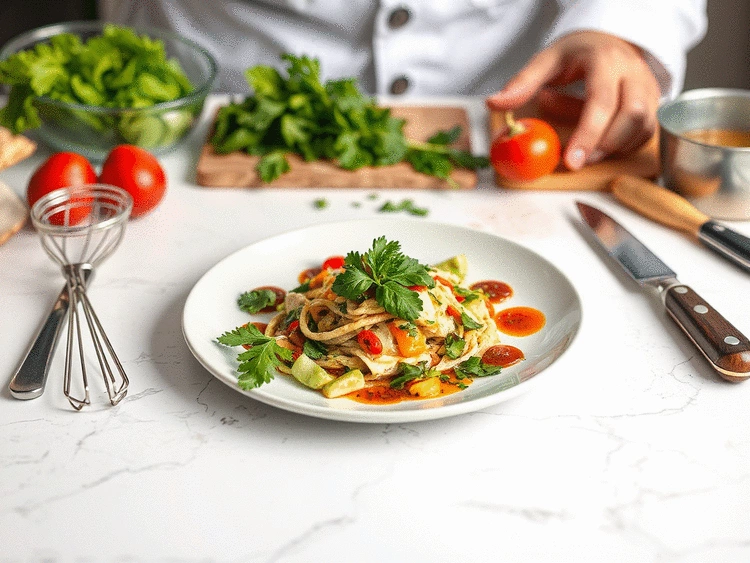

What if the secret to memorable dining experiences lies not just in the ingredients, but in the way we engage all our senses? Exploring the interplay between sensory perception and culinary creativity can elevate your cooking to new heights.
What You Will Learn
- Sensory perception encompasses five senses—visual, olfactory, gustatory, tactile, and auditory—each influencing our culinary creativity.
- Understanding flavor profiling (sweet, salty, sour, bitter, and umami) enables chefs to create balanced and innovative dishes.
- Engaging all senses can create a more immersive and memorable dining experience, enhancing the emotional connection to food.
- Utilizing modern technology like flavor pairing apps and sensory analysis tools can significantly improve recipe development and creativity in the kitchen.
The Five Sensory Modalities in Culinary Creativity
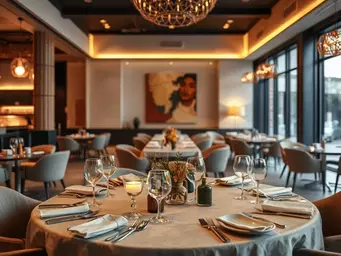
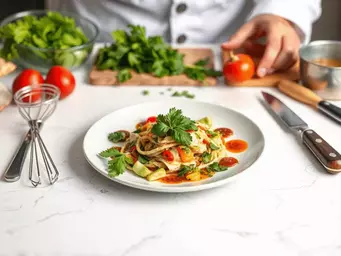
In cooking, our five senses are crucial. Each plays a distinct role in creating and experiencing food. For instance, the visual appeal of a dish can significantly impact how we perceive its taste and overall quality, much like the impact of architecture on dining experiences.
The Intersection of Sensory Perception and Culinary Creativity
In the world of cooking, sensory perception plays a crucial role in creating memorable dishes. It encompasses how we see, smell, taste, feel, and hear food, weaving a rich tapestry of experiences that elevate our culinary adventures. Understanding this concept is essential for chefs and home cooks alike, as it guides our decisions and enhances our creativity in the kitchen!
At Born Foodie, we delve into the emotional and sensory dimensions of food, and I can tell you firsthand how vital these elements are when crafting a dish. Have you ever savored a meal that had a profound emotional impact on you? That's the magic of tapping into our senses!
Understanding Sensory Perception in the Kitchen
Sensory perception involves the collective input from our senses, which significantly influences our cooking and dining experiences. When we cook, we engage our senses in various ways, allowing us to create textures and flavors that resonate with our audience.
- Visual: The colors and presentation of food can entice and excite.
- Olfactory: Aromas evoke memories and set the mood for a meal.
- Gustatory: Taste sensations bring joy and pleasure to our palate.
- Tactile: The feel of ingredients can inspire creativity and innovation.
- Auditory: Sounds, like the sizzle of food in a pan, can heighten anticipation.
By recognizing how these senses interact, we can enhance our cooking processes and inspire ourselves to experiment more boldly.
How Sensory Modalities Enhance Creative Cooking
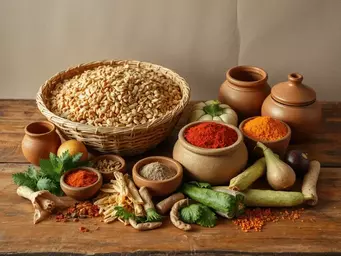
Each sensory modality contributes uniquely to the cooking process. For instance, the vibrant colors of fresh ingredients can inspire a chef to create stunning dishes that are not only delicious but visually appealing. The aroma of spices as they heat up can spark memories and encourage a creative flow. This blending of elements is key to blending innovation with tradition in culinary arts.
- Visual inspiration: Colorful ingredients can guide flavor combinations.
- Olfactory cues: Scents can suggest complementary flavors.
- Tactile sensations: The feel of dough can inform texture adjustments.
- Sound awareness: Cooking sounds can dictate timing and technique.
My experiences at various culinary events have shown me how these sensory elements intertwine to form a cohesive cooking narrative. Isn't it fascinating how our senses can guide us in unexpected ways?
Flavor Profiling: The Role of Taste Sensations in Culinary Innovation
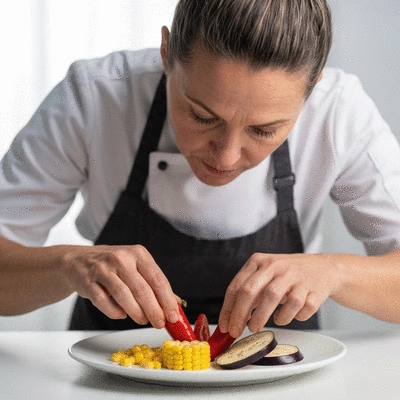
Flavor profiling is essential in the realm of culinary innovation, allowing chefs to experiment with different taste sensations. By understanding the basic tastes—sweet, salty, sour, bitter, and umami—we can create balanced dishes that surprise and delight.
- Sweet: Balances acidity and enhances flavors.
- Salty: Enhances other tastes and adds depth.
- Sour: Brightens dishes and balances richness.
- Bitter: Adds complexity and contrast.
- Umami: Provides savory depth and richness.
By utilizing these taste sensations effectively, chefs can push boundaries and craft innovative dishes that resonate with diners on a deeper level. I often reflect on how these elements come together to tell a story—one that celebrates the artistry of food!
Interactive Poll: Your Sensory Journey
As you explore the world of culinary creativity, we want to know: Which sense do you find most influential in your cooking experience?
Measuring the Impact of Sensory Optimization on Creativity
At Born Foodie, we believe that measuring the impact of sensory optimization is essential for unlocking culinary creativity. Chefs can use various frameworks to assess how sensory applications enhance their creative output. This often involves analyzing the sensory elements in their dishes and how these elements resonate with diners.
Here are some effective methods for measuring improvements in creativity through sensory applications:
- Feedback Surveys: Gathering direct feedback from diners can provide insights into how sensory factors influence their dining experience.
- Flavor Testing Panels: Conducting flavor tests with trained panels helps assess how well sensory elements are integrated into dishes.
- Creative Workshops: Engaging in workshops that focus on sensory exploration can help chefs experiment and innovate.
- Visual Analysis: Documenting plating techniques and visual aesthetics provides concrete data on how presentation impacts perception.
Through these methods, chefs can gain valuable insights, guiding their culinary journey towards more innovative creations. It’s all about fostering an environment where sensory experiences can flourish!
Utilizing Technology in Sensory Recipe Development
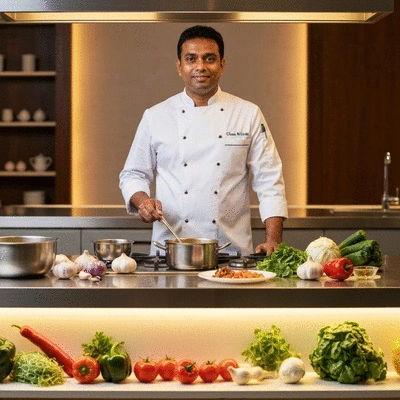
Modern culinary technology plays a pivotal role in enhancing sensory experiences. Tools such as digital flavor profiling software and sensory analysis equipment allow chefs to experiment with flavor combinations and understand their impact on the palate. Using these technologies, chefs like myself can analyze the texture, aroma, and taste of the ingredients we use. This is crucial for mastering techniques like mastering emulsification for homemade sauces.
Some exciting technological advancements include:
- Flavor Pairing Apps: These help identify complementary ingredients based on their flavor compounds.
- Cooking Thermometers: Precision tools that help in achieving the exact temperatures for optimal flavor release.
- 3D Food Printers: Revolutionizing presentation by allowing chefs to create intricate designs that enhance visual appeal.
With these innovations, chefs can elevate their dishes not just in flavor but also in overall presentation. Have you ever considered how technology can transform your cooking process? It opens new avenues for creativity!
Engaging the Senses: Creating a Multi-sensory Experience
Designing a multi-sensory dining experience goes beyond just taste; it involves captivating all the senses. Chefs can create an atmosphere that enhances the overall culinary experience by considering factors like aroma, sound, and touch.
Here are some tips for engaging the senses in your next dining event:
- Aromatic Elements: Infuse the space with aromas that complement the meal, creating anticipation before the first bite.
- Soundscapes: Curate a playlist that matches the dining vibe, from soft classical music to lively beats.
- Interactive Textures: Include elements that diners can touch, such as edible garnishes or unique table settings.
By weaving these sensory elements together, chefs can create unforgettable dining experiences that resonate emotionally with guests. Don’t you love the idea of a meal that becomes a symphony for the senses? It’s time to let your creativity shine!
Frequently Asked Questions
Q: What is sensory perception in culinary creativity?
A: Sensory perception in culinary creativity refers to how our five senses (visual, olfactory, gustatory, tactile, and auditory) interact to influence the creation and experience of food. It involves engaging all senses to make dining more memorable and enjoyable.
Q: How do the five sensory modalities contribute to cooking?
A: Each modality plays a unique role: Visual (colors, presentation), Olfactory (aromas, memories), Gustatory (taste sensations), Tactile (texture, feel), and Auditory (cooking sounds). Together, they guide chefs in creating balanced and appealing dishes.
Q: What is flavor profiling and why is it important?
A: Flavor profiling is the process of understanding and utilizing the basic tastes (sweet, salty, sour, bitter, umami) to create balanced and innovative dishes. It's crucial for pushing culinary boundaries and crafting dishes that resonate deeply with diners.
Q: How can technology enhance sensory recipe development?
A: Technology, such as digital flavor profiling software, sensory analysis equipment, flavor pairing apps, precision cooking thermometers, and 3D food printers, helps chefs experiment with flavor combinations, analyze ingredients, and enhance presentation, leading to more innovative creations.
Q: What are some ways to create a multi-sensory dining experience?
A: To create a multi-sensory dining experience, chefs can incorporate aromatic elements (complementary scents), soundscapes (curated music), and interactive textures (edible garnishes, unique table settings) to engage guests beyond just taste, fostering emotional connections.
Recap of Key Points
Here is a quick recap of the important points discussed in the article:
- Sensory perception is crucial in creating memorable culinary experiences, engaging sight, smell, taste, touch, and sound.
- Each sensory modality contributes uniquely to cooking, from visual inspiration to tactile sensations, enhancing creativity.
- Flavor profiling allows chefs to balance tastes (sweet, salty, sour, bitter, umami) for innovative dishes.
- Measuring sensory optimization through feedback, flavor testing, and workshops can enhance culinary creativity.
- Modern technology such as flavor pairing apps and sensory analysis tools can elevate cooking processes.
- Creating a multi-sensory experience involves engaging aroma, sound, and touch to enhance the dining atmosphere.