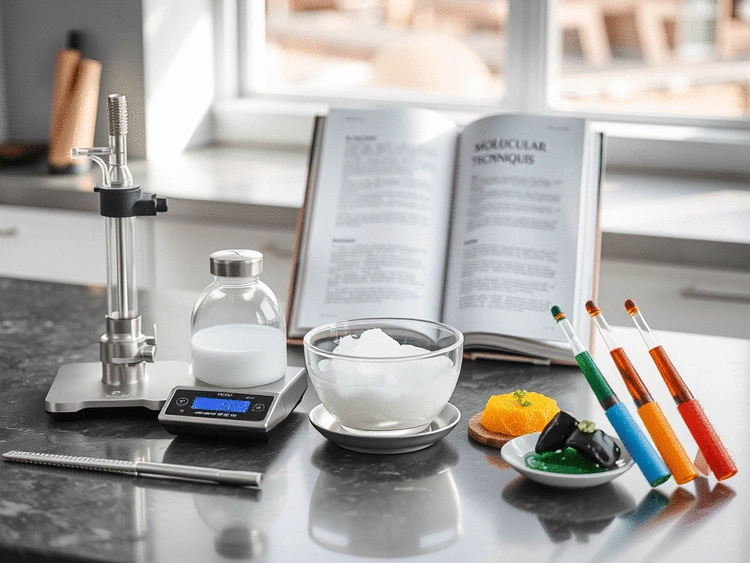

What if you could transform your everyday meals into extraordinary experiences? Embracing the science of molecular gastronomy opens a world of culinary possibilities, allowing you to explore flavors, textures, and techniques that can elevate your cooking to new heights.
What You Will Learn
- Molecular gastronomy combines science and art, enhancing flavors and textures in cooking.
- Key principles include temperature control, texture manipulation, and effective flavor pairing.
- Understanding food chemistry can help in creating harmonious flavors, such as balancing acidity and sweetness.
- Practical tips for integrating molecular techniques into daily cooking can make the process accessible and fun.
- Common challenges for beginners include inconsistent results and flavor balance, which can be managed with careful measurements and adjustments.
- Exploring food preservation methods, like sous-vide cooking, enhances flavor retention and ingredient longevity.
Molecular Gastronomy: Bridging Science and Culinary Art
This visual demonstrates key aspects of molecular gastronomy, its integration into everyday cooking, and essential considerations for aspiring home chefs.
Key Principles
- ✓ Temperature Control
- ✓ Texture Manipulation
- ✓ Flavor Pairing
Integration Strategies
- ✓ Start Small
- ✓ Think About Flavors
- ✓ Experiment with Textures
Common Challenges
- ✓ Inconsistent Results
- ✓ Texture Issues
- ✓ Flavor Balance
Recommended Equipment
- ✓ Siphons & Immersion Circulators
- ✓ Digital Scales
- ✓ Molecular Gastronomy Kits
Understanding Molecular Gastronomy: The Science Behind Home Cooking Elevation
Molecular gastronomy isn’t just a trend in the culinary world; it’s a fascinating blend of science and art that transforms the way we approach cooking. By understanding the science behind ingredients and techniques, home cooks can elevate their dishes from ordinary to extraordinary. But what exactly is molecular gastronomy, and why should we care? Let’s dive in!
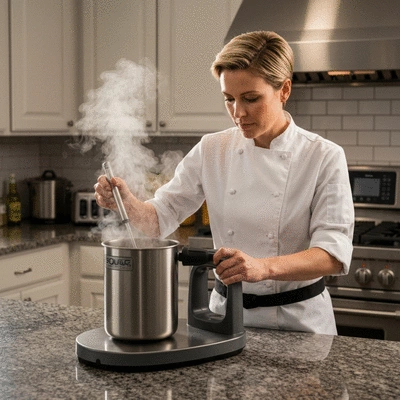
What is Molecular Gastronomy and Why Does It Matter?
Molecular gastronomy is a sub-discipline of food science that explores the physical and chemical transformations of ingredients during cooking. This approach not only adds a layer of creativity to our dishes but also helps in understanding flavor profiles and textures. Have you ever wondered why certain flavors pair well together? Molecular gastronomy sheds light on these culinary mysteries! For a deeper dive into how environmental factors influence our dining experiences, consider exploring the impact of architecture's impact on dining experience.
- Enhances flavor through scientific techniques
- Encourages innovation in everyday cooking
- Bridges the gap between food and science
At Born Foodie, we believe that every dish tells a story, and molecular gastronomy can help us uncover those narratives. It’s not just about making food look fancy; it’s about amplifying the emotional and sensory experiences that come with a meal.
Key Principles of Molecular Gastronomy Techniques
When it comes to molecular gastronomy, there are a few key principles that every aspiring home chef should understand. These principles guide the way we think about food and how we can manipulate it for enhanced flavor and presentation:
- Temperature Control: Understanding how heat affects ingredients is crucial.
- Texture Manipulation: Creating varying textures can elevate a dish’s appeal.
- Flavor Pairing: Knowledge of chemical compounds allows for perfect flavor matches.
Mastering these principles can transform your cooking, allowing you to explore dishes in a whole new way. The journey of discovering these elements is part of what makes cooking exciting!
The Role of Culinary Science in Modern Cooking
Culinary science plays a significant role in how we perceive and enjoy food today. By applying scientific methods, chefs can innovate their dishes and create unforgettable dining experiences. For instance, consider how sous-vide cooking allows for precise temperature control, ensuring that meats are perfectly cooked while retaining moisture and flavor.
In a world where diners seek more than just food, but a connection to their meals, culinary science helps bridge that gap. It’s about making every bite memorable, inviting food enthusiasts to revisit cherished memories with each dish. You can discover more about the emotional ties that food creates in our other articles.
Exploring the Impact of Food Chemistry on Flavor Pairing
Food chemistry is a fascinating subject that explains why certain flavors work beautifully together. By understanding flavor compounds, we can create harmonious dishes that delight the palate. For example, the combination of sweet and savory is a classic pairing that evokes comfort and nostalgia.
- Umami: The fifth taste that enhances savory flavors.
- Acidity: Balancing sweetness with a splash of acidity can elevate any dish.
- Texture: Combining different textures adds complexity to flavors.
As we explore the world of molecular gastronomy, let’s remember that food is not just sustenance—it’s an experience filled with emotion and stories waiting to be told. I’m excited to share more techniques with you as we uncover the science behind the culinary arts together!
Interactive Poll: Your Culinary Preferences
As you begin experimenting with molecular gastronomy, we’d love to know: What technique are you most excited to try in your kitchen?
Wrapping Up Your Molecular Gastronomy Journey
As we conclude our exploration into molecular gastronomy, it's vital to embrace the techniques that can elevate your everyday meals. This culinary journey isn't just about complex recipes but about harnessing the science of cooking to create delightful experiences. Are you ready to take the plunge and integrate these techniques into your home kitchen?
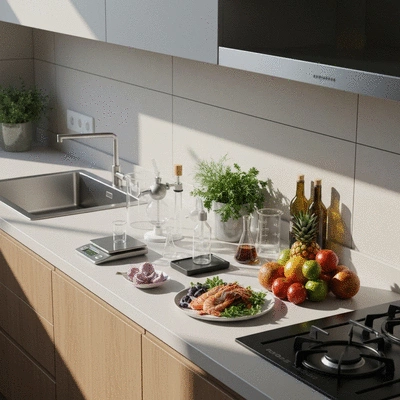
Let’s delve into how you can seamlessly integrate molecular techniques into your daily cooking while also addressing some common challenges you might face along the way!
Integrating Molecular Techniques into Everyday Meals
Incorporating molecular gastronomy into your everyday meals can be both exciting and accessible. Here are some practical tips to get you started:
- Start Small: Begin with one technique, like spherification or gelification, to avoid feeling overwhelmed.
- Think About Flavors: Pair molecular techniques with familiar recipes to create an enhanced experience.
- Experiment with Textures: Use foams or gels to elevate the mouthfeel of classic dishes.
- Involve Others: Cooking is more fun as a team—share your molecular experiments with family or friends!
Remember, the goal is to transform traditional dishes into something extraordinary without losing their essence. What is your favorite dish that could use a twist? I encourage you to try out these techniques and see how they elevate your culinary repertoire!
Common Challenges and Troubleshooting Tips for Beginners
As with any new skill, exploring molecular gastronomy can come with its challenges. Here are some common issues and how to troubleshoot them:
- Inconsistent Results: Ensure your measurements are precise, especially with ingredients like alginate and calcium.
- Texture Issues: If your gels or foams aren’t setting properly, check the temperature and ratios of your ingredients.
- Flavor Balance: Molecular techniques can intensify flavors. Tread lightly with seasonings and taste frequently.
- Equipment Mishaps: Don't panic if something goes wrong! Adjusting techniques based on your kitchen tools can often lead to surprising discoveries.
Learning from mistakes is part of the journey, so don’t shy away from experimenting. Every culinary adventure teaches us something new, and I would love to hear about your challenges and triumphs!
Understanding Food Preservation Techniques in Modernist Cuisine
One significant aspect of molecular gastronomy is its connection to food preservation methods. Techniques like vacuum sealing and sous-vide cooking not only enhance flavors but also extend the shelf life of ingredients. Here are a few preservation methods to consider:
- Sous-Vide Cooking: Sealing food in a bag and cooking it slowly in a water bath ensures consistent doneness and flavor retention.
- Vacuum Sealing: Removing air from packaging helps prevent freezer burn and spoilage.
- Pickling and Fermentation: These traditional methods can be enhanced with modern techniques to create unique flavor profiles.
Understanding these techniques can greatly enhance your kitchen prowess. It empowers you to minimize waste while maximizing flavor, which aligns beautifully with our mission at Born Foodie to celebrate the artistry of culinary traditions! For more on traditional culinary approaches, check out our article on rediscovering lost culinary traditions.
Your Next Steps in Elevating Home Cooking
Now that you’ve explored the foundations of molecular gastronomy, it’s time to think about the next steps in your culinary journey. What will you tackle next? Are there particular techniques that excite you? Let’s dive into some recommendations!
Recommended Equipment and Ingredient Sources
To effectively practice molecular gastronomy at home, having the right tools and ingredients is crucial. Here’s a list of recommended equipment and sources:
- Basic Equipment: Siphons, immersion circulators, and digital scales are great starting points.
- Ingredient Sources: Specialty stores and online shops like Amazon or modernist pantry websites offer essential ingredients.
- Cooking Kits: Consider investing in molecular gastronomy kits that include the necessary tools and instructions.
With the right tools in hand, the possibilities are endless! Don’t hesitate to reach out if you have questions about specific products or brands.
Join the Community: Sharing Your Molecular Gastronomy Creations
As you embark on this exciting culinary journey, I encourage you to share your creations with others. Join communities, whether online or in-person, where you can exchange ideas, recipes, and experiences. Connecting with fellow food enthusiasts will inspire you further!
Have you tried a new technique or recipe that you’re proud of? I would love to see your molecular gastronomy adventures! Sharing your experiences not only enriches your own journey but also fosters a community that celebrates the depth of food.
Exploring Culinary Trends and Innovations in Home Cooking
Lastly, keep your eyes on the ever-evolving trends in culinary arts. Innovations in food technology and new flavor combinations are always emerging. Stay curious and open to exploring these trends. You might discover something that becomes a staple in your cooking!
As we wrap up this section of our culinary exploration, I hope you feel inspired to take the next step in your journey with molecular gastronomy. Remember, every dish tells a story, and I can’t wait to hear yours!
Recap of Key Points
Here is a quick recap of the important points discussed in the article:
- Molecular gastronomy enhances flavor and encourages innovation in cooking by understanding the science behind ingredients.
- Key principles include temperature control, texture manipulation, and flavor pairing, which can transform your cooking.
- Incorporating molecular techniques, such as spherification and gelification, can elevate familiar dishes while retaining their essence.
- Common challenges include inconsistent results and flavor balance, which can be overcome with precise measurements and experimentation.
- Understanding food preservation techniques like sous-vide and vacuum sealing can enhance flavors and extend ingredient shelf life.
Frequently Asked Questions About Molecular Gastronomy
What is molecular gastronomy?
Molecular gastronomy is a sub-discipline of food science that scientifically explores the physical and chemical transformations of ingredients during cooking. It combines science and art to enhance flavors, textures, and overall culinary experiences.
What are the key principles of molecular gastronomy?
The key principles include precise temperature control, creative texture manipulation, and informed flavor pairing. Understanding these elements allows home cooks to innovate and elevate their dishes.
Why is food chemistry important in cooking?
Food chemistry helps in understanding why certain flavors complement each other. By knowing about flavor compounds, such as umami, acidity, and the role of texture, cooks can create more harmonious and delightful dishes.
How can beginners integrate molecular techniques into daily cooking?
Beginners can start small by trying one technique at a time, such as spherification or gelification. Focusing on familiar flavors, experimenting with textures, and involving others can make the process enjoyable and accessible.
What are common challenges in molecular gastronomy for beginners?
Common challenges include inconsistent results, texture issues, and flavor balance. These can often be resolved through precise measurements, checking temperatures and ratios, and tasting frequently to adjust seasonings.
What equipment is recommended for molecular gastronomy?
Basic recommended equipment includes siphons, immersion circulators, and digital scales. Molecular gastronomy kits are also available and can provide a good starting point with necessary tools and instructions.