
What if the secret to enhancing your dining experience lies not just in the food, but in how the space is illuminated? Understanding the impact of lighting design can transform a meal from mere sustenance into a sensory celebration.
What You Will Learn
- Lighting design significantly influences flavor perception, impacting how diners experience their meals.
- Warm, dim lighting enhances emotional connections to food, making it more enjoyable.
- Bright, harsh lighting can overwhelm the senses and detract from the flavor experience.
- Studies indicate that softer lighting (around 13 lux) enhances taste intensity compared to brighter settings (300 lux).
- Color temperature plays a crucial role; warmer lights (2700K-3000K) create a cozy atmosphere, while cooler lights (4000K+) enhance freshness.
- Implementing layered lighting can create depth and improve the dining ambiance.
- Adopting smart lighting technology allows for dynamic adjustments based on time of day and customer preferences.
- Gathering diner feedback on lighting can help improve the overall dining experience.
Lighting's Impact on Flavor Perception
This visual highlights how different lighting conditions and color temperatures influence our perception of food's flavor, based on scientific insights.
Light Intensity & Taste
Scientific studies show that dimmer lighting enhances taste intensity.
13 Lux (Dim)
Enhanced Taste
300 Lux (Bright)
Diminished Taste
Color Temperature & Mood
Different color temperatures evoke distinct moods, enhancing specific dishes.
Warm Light
(Comforting Dishes)
Cool Light
(Fresh Ingredients)
Understanding the Connection Between Lighting Design and Flavor Perception
As a culinary storyteller, I believe that every aspect of a dining experience contributes to the overall flavor perception. One such element, often overlooked, is lighting design. The way we illuminate our dining spaces can profoundly impact how we perceive taste and flavor. Understanding this connection is essential for restaurateurs looking to create an unforgettable dining experience.
In fine dining environments, the interplay of lighting and sensory experiences can elevate a meal from mere sustenance to an immersive journey. Have you ever noticed how a soft glow can make food appear more inviting? This is more than aesthetics; it’s about engaging our senses in a way that enhances the overall culinary experience. For a deeper dive into how restaurant aesthetics influence perception, explore restaurant design and appetite psychology.
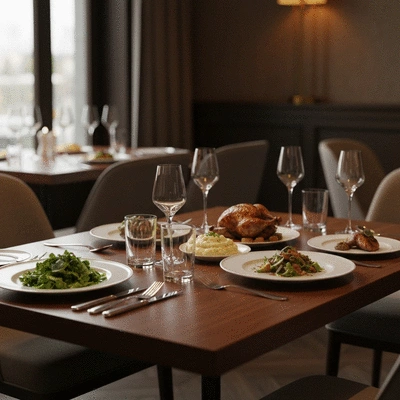
The Role of Lighting in Sensory Experiences
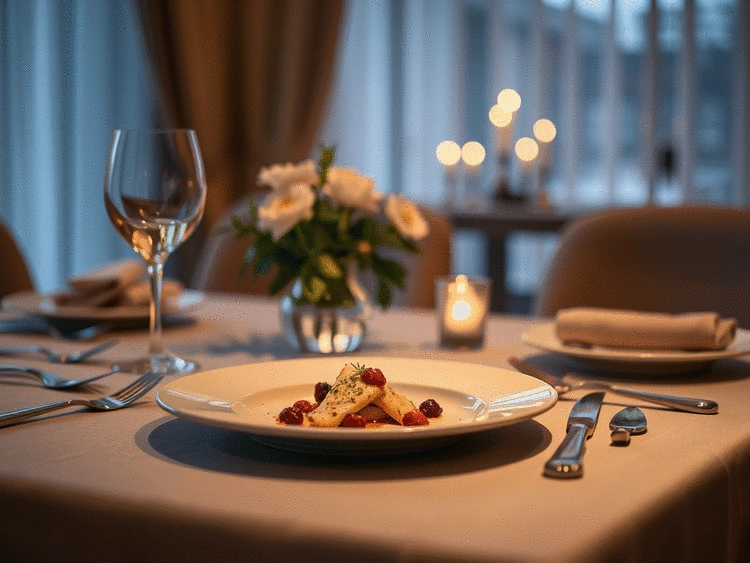
Different types of lighting can dramatically affect our senses, particularly our sense of taste. Warm, dim lighting often creates a cozy atmosphere, encouraging diners to relax and savor their meals. In contrast, bright, harsh lighting can lead to a rushed experience, overwhelming the senses and diminishing flavor perception. As we delve deeper into the sensory aspects of dining, consider these key points:
- Warm lighting enhances the emotional connection to food.
- Dim settings promote intimacy, allowing flavors to shine.
- Bright environments can be distracting, pulling focus from the dish.
In my experience, the ambiance created by lighting serves as a backdrop to the culinary art being presented. It’s fascinating how a simple change in lighting can lead to a richer taste experience!
Scientific Insights into Taste Intensity and Lighting Levels
Recent studies, including pivotal research from Maastricht University, have shown that varying illuminance levels can significantly influence diners' flavor perceptions. For instance, a study revealed that at 13 lux—a soft, gentle light—diners reported enhanced taste intensity compared to brighter settings at 300 lux. This suggests that how we illuminate our plates can alter our experience.
It's remarkable to think about how these subtle changes can shift our taste perception. By adjusting lighting levels, restaurants can create a tailored experience that resonates with the emotions tied to the meal. Isn’t it exciting to consider how this knowledge can enhance our dining adventures?
The Impact of Color Temperature on Flavor Perception
The color temperature of lighting also plays a crucial role in enhancing our taste experiences. Warm light, typically between 2700K to 3000K, creates an inviting atmosphere that complements rich, comforting dishes. Meanwhile, cooler light, around 4000K or higher, can lend a fresh, clean feel, which is perfect for lighter fare.
- Warm light fosters a sense of comfort and nostalgia.
- Cool light can enhance the appeal of fresh ingredients.
- Layering different color temperatures can create a dynamic dining environment.
As I explore the rich tapestry of flavors and memories, I find that the right lighting transforms a simple meal into an emotive experience. It’s not just about what’s on the plate, but how we see it that makes all the difference.
Practical Applications for Restaurateurs: Enhancing Dining Experiences
Incorporating these insights into practical lighting design can elevate the dining experience for patrons. The right techniques not only highlight the artistry of food but also enhance the emotional resonance of the meal. I invite fellow restaurateurs and culinary enthusiasts to explore these strategies! The emotional ties we form with food are powerful, and proper lighting can amplify these connections, creating lasting emotional food memories and eating experiences.
Pro Tip
To enhance the flavor perception of your dishes, consider experimenting with different lighting setups during service. For instance, try using warm, dim lighting during dinner hours to create an intimate atmosphere that encourages guests to savor each bite. You may be surprised at how a simple lighting adjustment can transform the dining experience!
Frequently Asked Questions About Lighting and Flavor Perception
How does lighting affect flavor perception?
Lighting profoundly influences flavor perception by setting the mood and affecting our emotional connection to food. Dim, warm lighting tends to enhance taste intensity and encourage a more relaxed, enjoyable eating experience, while bright, harsh lighting can detract from it.
What is the ideal lighting intensity for enhancing taste?
Scientific studies suggest that dimmer lighting, such as around 13 lux, can significantly enhance taste intensity compared to brighter settings (e.g., 300 lux). This softer illumination allows diners to focus more on the food's intrinsic qualities.
Does color temperature matter in dining environments?
Yes, color temperature is crucial. Warm light (2700K-3000K) creates a cozy, inviting atmosphere suitable for comforting dishes, fostering nostalgia. Cooler light (4000K+) can make fresh ingredients appear more vibrant and appealing, ideal for lighter fare.
How can restaurateurs use lighting to improve the dining experience?
Restaurateurs can implement layered lighting, experiment with intensities, and use color temperature strategically. Adopting smart lighting technology allows for dynamic adjustments based on time of day and customer preferences, creating personalized and memorable experiences. Gathering diner feedback is also key.
What are the future trends in restaurant lighting design?
Future trends include greater integration of smart lighting technology for dynamic adjustments, personalized lighting experiences based on customer preferences, and enhanced energy efficiency. These innovations aim to create more immersive and satisfying dining environments.
Closing Thoughts on the Art of Lighting Design in Fine Dining
As we’ve explored, the art of lighting design is not just about aesthetics; it profoundly influences flavor perception and the overall dining experience. From the warmth of a dimly lit restaurant to the vibrant glow of carefully placed LEDs, every lighting choice creates a unique atmosphere that can either enhance or detract from the flavors presented. Understanding these connections enables restaurateurs to transform simple meals into cherished memories, much like how our own culinary stories at Born Foodie reflect the intimate relationship between food and experience.
Ultimately, it’s about crafting an environment where each dish not only looks appealing but also tastes exceptional. By paying attention to the science behind lighting, we can elevate our dining narratives in ways that resonate deeply with our guests. What kind of ambiance do you find most inviting when dining out?
Encouraging Restaurateurs to Innovate with Lighting
As a passionate culinary storyteller, I encourage fellow restaurateurs to take a close look at their current lighting setups. It’s time to innovate! Consider these practical tips:
- Assess the existing lighting and identify areas for improvement.
- Experiment with different lighting intensities to see how they affect flavor perception.
- Incorporate layered lighting techniques to create depth and warmth.
- Utilize color temperature strategically to enhance the overall dining mood.
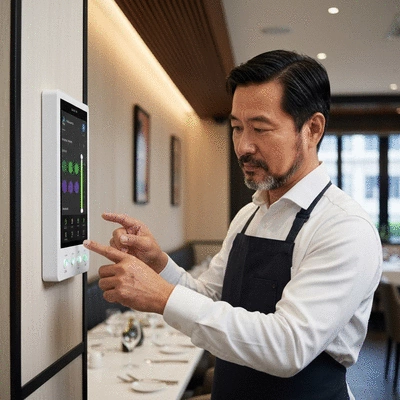
By making these adjustments, restaurant owners can create enchanting spaces that not only draw diners in but keep them coming back for more. After all, a well-lit meal can transform the ordinary into the extraordinary!
Exploring Dining Trends: The Future of Lighting and Flavor Enhancement
Looking ahead, there are exciting trends on the horizon for restaurant lighting design. The integration of smart lighting technology is becoming more prevalent, allowing for:
- Dynamic adjustments to lighting based on the time of day.
- Personalized lighting experiences through customer preferences.
- Enhanced energy efficiency without compromising on ambiance.
These innovations not only improve customer satisfaction but also make dining experiences more memorable. Imagine walking into a restaurant where the lighting subtly shifts as evening falls, enhancing flavors and setting the perfect mood. It’s a future worth exploring! For more insights into future culinary spaces, consider gastronomy design trends for 2025.
Integrating User-Centered Design Principles in Restaurant Lighting
To truly excel in lighting design, it’s essential to adopt user-centered principles. Understanding the customer experience is key to creating impactful environments. Here are a few strategies that can help:
- Survey diners to gather feedback on their perception of the lighting and ambiance.
- Observe how guests interact with the space during peak and off-peak hours.
- Collaborate with lighting designers who specialize in creating emotional connections through light.
When we prioritize the emotional responses of our guests, we can design spaces that resonate deeply, enhancing every dish served. At Born Foodie, we believe that every detail counts in creating memorable culinary experiences. Let’s continue this journey together, exploring how lighting can illuminate not only our plates but our hearts as well! Just as lighting shapes perception, so does the impact of texture on taste perception.
Recap of Key Points
Here is a quick recap of the important points discussed in the article:
- Lighting design significantly influences flavor perception and the overall dining experience.
- Warm, dim lighting enhances emotional connection and intimacy, while bright lighting can distract from the meal.
- Adjusting lighting levels can create a tailored experience that resonates with diners' emotions.
- Color temperature plays a crucial role; warm light is best for rich dishes, while cool light suits lighter fare.
- Incorporating user-centered design principles can enhance the emotional responses of diners.
- Innovative lighting technologies can create dynamic, personalized dining experiences.