
What if every ingredient in your kitchen could tell a story? Traditional ingredients not only elevate our dishes but also connect us to our cultural heritage, enriching our culinary experiences and reviving forgotten recipes.
What You Will Learn
- Traditional ingredients serve as a link to our cultural heritage, allowing us to explore our roots through cooking.
- Forgotten recipes hold unique flavors and techniques that reflect our cultural identity and culinary history.
- Incorporating ancient grains and other traditional ingredients enhances the nutritional value and flavor of our meals.
- Reviving these recipes fosters a sense of community and shared storytelling, celebrating culinary traditions.
The Enduring Value of Traditional Ingredients in Our Culinary Heritage
Delve into the essence of traditional ingredients—the very foundation of our culinary history—and understand their profound connection to cultural heritage and the revival of forgotten recipes. This visual highlights the core aspects of their significance. For more insights into reviving forgotten food traditions, explore our dedicated article.
Connection to Cultural Heritage
- ✓ Herbs & Spices: Stories of trade & migration
- ✓ Ancient Grains: Agricultural practices
- ✓ Preservatives (e.g., Garum): Creativity of past civilizations
Why Forgotten Recipes Matter
- ✓ Reflect cultural identity & heritage
- ✓ Preserve unique flavors, techniques & stories
- ✓ Strengthen cultural bonds across generations
Value in Modern Cooking
- ✓ Preserves cultural identity
- ✓ Enhances flavor profiles in dishes
- ✓ Connects to historical cooking practices
Reviving Forgotten Recipes: The Importance of Traditional Ingredients
At Born Foodie, I’ve always felt that traditional ingredients are the unsung heroes of our culinary heritage. These ingredients are not just flavors; they are the threads that stitch together our cultural fabric. By using them, we can recreate forgotten recipes that tell stories of our past, preserving culinary history for future generations. When we cook with these ingredients, we honor the legacies of those who came before us, ensuring their stories endure.
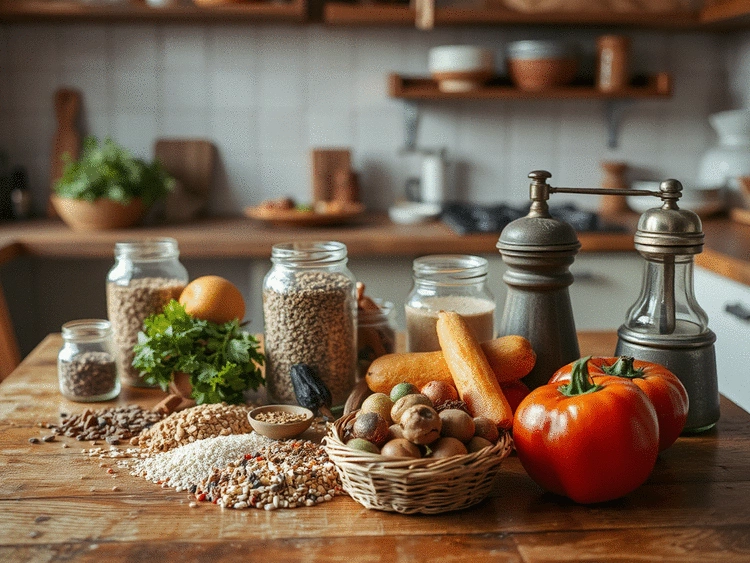
Each traditional ingredient carries with it a wealth of knowledge and culture. For instance, ancient grains like spelt and farro are not only nutritious but also a taste of history, connecting us to the dietary practices of our ancestors. By bringing these components into our kitchens, we embrace a deeper understanding of food’s role in our lives and communities.
Understanding the Connection Between Ingredients and Cultural Heritage
Imagine a world where the ingredients we use are chosen not just for their taste but for their significance. Traditional ingredients form a bridge to our cultural roots, allowing us to explore our heritage through the meals we prepare. These ingredients are essential for recreating forgotten recipes and enriching our culinary experiences. It’s as if we’re cooking with the heart of our ancestors, keeping their spirits alive. Learning about rediscovering lost culinary traditions can further enhance this connection.
- Herbs and spices: These often carry stories of trade and migration.
- Grains: Ancient grains connect us to agricultural practices long forgotten.
- Preservatives: Ingredients like garum showcase the creativity of past civilizations.
By incorporating traditional ingredients into our meals, we not only deepen our understanding of food but also create a tapestry of flavors that honors our roots. This connection fosters a sense of community, as we share these stories and flavors with those around us.
What Are Forgotten Recipes and Why Do They Matter?
Forgotten recipes are often those culinary treasures that have fallen by the wayside, overshadowed by modern convenience. They are recipes that may once have graced the tables of our ancestors, filled with flavors that defined cultures. In today’s fast-paced world, these recipes remind us of the value of patience and the joy found in cooking with purpose.
These recipes matter because they are reflective of our cultural identity. They represent the unique heritage of our communities, preserving not just flavors but also techniques, stories, and traditions. When we revive these recipes, we strengthen our cultural bonds and ensure that the tastes of our past continue to influence our present and future.
Interactive Poll: Your Thoughts on Traditional Ingredients
We want to know! Which traditional ingredient are you most excited to incorporate into your cooking? Choose one of the options below:
Bringing It All Together: The Value of Traditional Ingredients in Modern Cooking
At Born Foodie, we believe that embracing traditional ingredients is not just about enhancing our culinary skills but also about preserving our cultural heritage. These ingredients are the essence of forgotten recipes, connecting us to our past while enriching our present dining experiences. By incorporating these unique flavors into our cooking, we celebrate the stories that each ingredient carries and the cultural significance they hold.
Traditional ingredients like garum and ancient grains allow us to recreate meals that are steeped in history. They invite us to engage with the roots of our culinary traditions. When we cook with these ingredients, we bridge generational gaps, ensuring that the rich tapestry of flavors and stories lives on for future food enthusiasts.
- Preservation of cultural identity
- Enhancement of flavor profiles in dishes
- Connection to historical cooking practices
As we revive these forgotten recipes, we not only indulge our taste buds but also become custodians of our culinary heritage. Embracing traditional ingredients invites us to share our own food stories, creating a community of culinary enthusiasts who appreciate the depth and richness of every meal. This approach can also involve blending innovation with tradition for exciting new culinary creations.
Frequently Asked Questions
- What are traditional ingredients? Traditional ingredients are foods and spices that have been used for generations within specific cultures, often carrying historical and cultural significance beyond their nutritional value.
- Why are traditional ingredients important for cultural heritage? They act as a direct link to the past, telling stories of trade, migration, agricultural practices, and the ingenuity of past civilizations, thereby preserving cultural identity.
- What are forgotten recipes? Forgotten recipes are culinary creations from the past that have become less common or fallen out of use, often overshadowed by modern cooking trends. They hold unique flavors, techniques, and historical narratives.
- How do forgotten recipes strengthen cultural bonds? By reviving these recipes, communities reconnect with their culinary past, share stories across generations, and preserve the unique flavors and traditions that define their heritage.
- How can I start incorporating traditional ingredients into my cooking? Begin by researching ingredients native to your cultural background or any culture that interests you. Look for recipes that feature these ingredients and experiment with incorporating them into your current cooking repertoire.
Take Action: Start Your Culinary Journey with Forgotten Recipes
Now is the perfect time to embark on your culinary adventure! I encourage you to explore the resources we've discussed and venture into the world of forgotten recipes. Think about what traditional ingredients excite you—will it be the aromatic spiced wine or the complex flavors of garum? Don’t hesitate! Gather your ingredients and let your kitchen come alive with history.
As you cook, I invite you to share your experiences with me and the Born Foodie community. What challenges did you face? Did you discover a new favorite recipe? Your stories will not only enrich our community but also inspire others to delve into the beauty of traditional cooking. Let’s celebrate these culinary treasures together!
Recap of Key Points
Here is a quick recap of the important points discussed in the article:
- Traditional ingredients are essential for preserving culinary heritage and connecting us to our cultural roots.
- Incorporating ancient grains and forgotten recipes enriches our dining experiences and honors our ancestors.
- Forgotten recipes reflect our cultural identity, showcasing unique techniques and flavors that define our communities.
- Using traditional ingredients fosters a sense of community and encourages sharing culinary stories with others.
- Embarking on a culinary journey with forgotten recipes allows for personal exploration and connection to history.