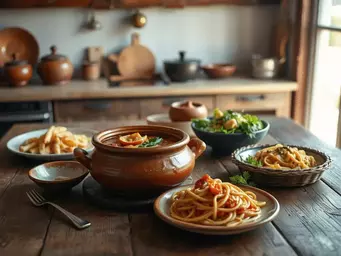

Texture is often overlooked in our culinary experiences, yet it plays a pivotal role in how we perceive flavors and enjoy food. As we dive into the fascinating world of food science, you'll discover insights that can transform your approach to cooking and dining!
What You Will Learn
- Texture significantly influences taste perception, altering how we interpret flavors in dishes.
- Consumer preferences regarding food textures are shaped by psychological and cultural factors, impacting their choices.
- Innovative product development focusing on texture can lead to improved consumer satisfaction and repeat purchases.
- Emotional connections to food are often tied to texture, evoking memories and enhancing the overall dining experience.
Essential Role of Texture in Food Experiences
The visual below highlights key aspects of how texture influences our perception and enjoyment of food, focusing on its impact on taste, consumer preferences, and future culinary innovations.
Texture's Influence on Taste Perception
- • Crunchiness: Enhances flavor intensity.
- • Creaminess: Rounds out flavors, evokes comfort.
- • Chewiness: Engages longer, immersive experience.
Consumer Preferences in Texture
- • Hardness vs. Softness: Diverse individual preferences.
- • Cultural Influences: Varying global texture norms.
- • Mouthfeel Impact: Key to satisfaction and repeat purchases.
Future Trends & Innovations
- • Enhanced Profiling: Precise adjustments in formulations.
- • Plant-Based Textures: Mimicking traditional products.
- • Innovative Techniques: Sous-vide, dehydration.
Key Takeaways on Texture's Role
- • Taste Integration: Texture dramatically alters flavor interpretation.
- • Diverse Preferences: Psychological and cultural factors are crucial.
- • Emotional Connection: Texture evokes feelings and memories.
The Importance of Texture in Food Science: Understanding Consumer Preferences
Texture is one of the most underrated elements in the culinary world. At Born Foodie, we believe that understanding texture is key to unlocking the full potential of a dish. After all, a meal isn't just about flavor; it’s about the whole experience—how food feels as you take that first bite. Join me as we explore how texture influences taste perception and why it matters to consumers!
When we talk about food texture, we're not just discussing how something feels in our mouths; we're diving into a sensory journey that can evoke memories and emotions. Think about your favorite crunchy snack or the velvety creaminess of a beloved dessert. These sensations play a vital role in how we experience food and can significantly affect our preferences and satisfaction. Uncover more about emotional food memories and eating to deepen your understanding.
How Texture Influences Taste Perception
Let’s kick things off by defining food texture. Texture can range from crunchiness to creaminess, and each of these attributes alters our perception of taste. For instance, a crunchy chip can make flavors seem bolder, while a creamy dessert can enhance sweetness. Have you ever noticed how a salad's crisp lettuce invigorates your palate compared to a soft, overcooked vegetable? That's the magic of texture at play!
- Crunchiness: Adds a delightful contrast and enhances flavor intensity.
- Creaminess: Provides a smooth mouthfeel that can round out flavors and evoke comfort.
- Chewiness: Engages you longer with the food, making each bite a more immersive experience.
Understanding these textures is essential not just for chefs but for anyone passionate about food. When creating meals, think about how different textures will play together on the plate. This can transform an ordinary dish into an extraordinary one that resonates with the eater.
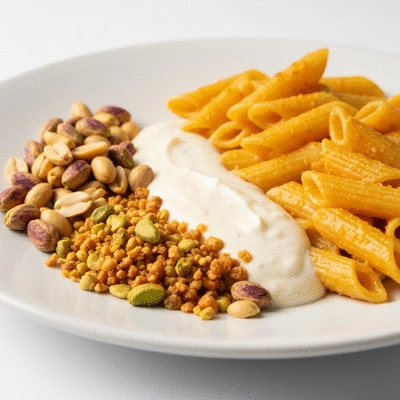
Defining Food Texture: Crunchiness and Creaminess Explained
As we've mentioned, food texture can be categorized into various types, but crunchiness and creaminess often stand out. Crunchiness is typically associated with fresh ingredients like vegetables or crispy snacks, while creaminess often comes from dairy products or certain fats. Both attributes can greatly influence our perceptions of a dish's overall quality.
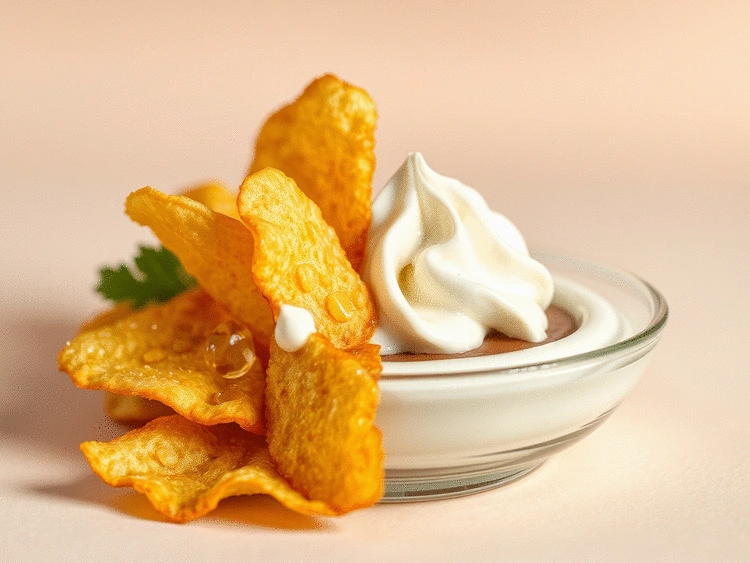
When we consider a dish's texture, we’re not only talking about how it feels but also how it impacts the flavors we perceive. A crunchy topping on a creamy dessert can create an unforgettable combination that satisfies our cravings on multiple levels.
The Physiological Basis of Texture Perception and Sensation
Our bodies respond to texture through a complex interplay of sensory receptors. As we bite into food, our teeth and tongue send signals to our brain, contributing to our overall experience. This response can influence our emotional connection to the food. After all, wouldn’t you say that a crunchy apple is more refreshing than a mealy one? It’s all about the signals we receive!
Understanding the physiological basis behind texture perception can help food enthusiasts like us appreciate our meals even more. We can become more intentional in our food choices, seeking out textures that bring satisfaction and joy.
Consumer Preferences: The Role of Texture Attributes
Now that we’ve explored the basics, let’s look at how texture attributes shape consumer preferences. Did you know that people often gravitate toward foods with textures they enjoy? This goes beyond mere taste; it taps into our memories and experiences associated with certain foods. At Born Foodie, I love to share stories of how these preferences are formed! Discover more about foods that spark joyful memories and how texture plays a role.
- Hardness vs. Softness: Consumers often have clear preferences for foods that fall within this spectrum.
- Cultural Influences: Different cultures have varying preferences for textures in their traditional foods.
- Mouthfeel Impact: A food's mouthfeel greatly affects satisfaction and can lead to repeat purchases.
By understanding these influences, we can tailor our culinary creations to meet the tastes and textures that resonate with different audiences. It's about more than just satisfying hunger; it’s about creating a memorable experience that connects with people on an emotional level.
Hardness vs. Softness: The Spectrum of Texture Liking
When evaluating food textures, it’s essential to consider the hardness versus softness spectrum. Some people prefer crunchy textures, while others lean toward softer, more tender options. This preference often comes from personal experiences and cultural backgrounds, making it a fascinating area to explore.
Think about a classic dish like mashed potatoes. Some love them creamy and soft, while others might prefer them with a bit of bite from potato chunks. Understanding these preferences helps us appreciate the diversity of culinary experiences available.
Cultural Influences on Texture Preference in Food Choices
Cultural influences play a significant role in our texture preferences. For example, in many Asian cuisines, you’ll find a balance of textures, from crispy spring rolls to creamy coconut milk soup. These combinations are thoughtfully curated to enhance flavor and create a satisfying sensory experience.
As I reflect on my culinary travels, I’ve noticed how texture can tell a story about a region’s history and ingredients. Exploring these cultural nuances can inspire us to reinvent traditional dishes while honoring their roots.
The Impact of Mouthfeel on Consumer Behavior and Satisfaction
Finally, let’s talk about mouthfeel and its implications for consumer behavior. The way food feels in our mouths can significantly impact our overall satisfaction. A satisfying mouthfeel can lead to increased enjoyment and encourage repeat purchases.
For instance, think about the pleasure derived from a well-executed chocolate mousse. The rich creaminess enveloping your palate can evoke happiness and comfort. By understanding these dynamics, we can elevate our culinary creations to new heights, creating dishes that not only taste great but also feel wonderful to eat!
Pro Tip
When developing a dish, consider the emotional connections that different textures evoke. For instance, pairing a crunchy topping with a creamy base can enhance both the sensory experience and the emotional satisfaction of your meal. Experiment with contrasting textures to create memorable dining experiences that resonate with your guests!
Frequently Asked Questions About Food Texture
How does texture influence taste perception?
Texture significantly alters how we perceive flavors. For example, crunchiness can enhance flavor intensity, creaminess can round out flavors and evoke comfort, and chewiness can lead to a longer, more immersive experience with the food.
What are the main types of food textures discussed?
The article primarily discusses crunchiness and creaminess, highlighting how each impacts taste and overall food enjoyment. Other textures like chewiness, hardness, and softness are also mentioned as key attributes.
How do cultural factors affect texture preferences?
Cultural influences play a significant role in texture preferences. Different cultures have varying norms and expectations for textures in their traditional dishes, with some emphasizing a balance of contrasting textures to enhance the sensory experience.
Why is mouthfeel important for consumer satisfaction?
Mouthfeel, or how food feels in the mouth, greatly impacts overall consumer satisfaction. A pleasing mouthfeel can lead to increased enjoyment, evoke emotional connections, and encourage repeat purchases of a particular food item.
What are some future trends in texture innovation?
Future trends include enhanced texture profiling technologies for precise adjustments in food formulations, increased focus on plant-based textures that mimic traditional products, and innovative cooking techniques like sous-vide and dehydration to create unique textural experiences.
Summarizing the Role of Texture in Shaping Food Experiences
As we reflect on the multifaceted role of texture in our culinary adventures, it becomes clear that the interplay of crunchiness and creaminess significantly influences our overall food experiences. Texture is not merely an attribute; it shapes our emotional connection to the foods we love. When we bite into a crisp apple or savor a velvety mousse, we are engaging in a sensory dialogue that enhances our enjoyment and satisfaction.
With this in mind, let’s explore some key takeaways that emphasize the importance of texture in food science and product development:
- Texture influences taste perception: The consistency of a dish can dramatically alter our interpretation of its flavor.
- Consumer preferences vary widely: Understanding the psychological and cultural factors that influence these preferences is crucial.
- Innovative product development: By focusing on texture, food manufacturers can cater to consumer desires and improve satisfaction.
- Emotional connections: Texture plays a significant role in evoking feelings and memories associated with food.
These insights not only reflect the intricate relationship between texture and our perceptions but also highlight the implications for food scientists and culinary professionals. At Born Foodie, I’ve always believed that every element of a dish, including its texture, tells a story. This understanding can drive innovations in product development, as we strive to create foods that resonate deeply with consumers. For more insights on this, read about understanding umami flavor's secret ingredient, where texture also plays a subtle but important role.
Encouraging Exploration of Texture Preferences in Culinary Practices
Exploring different texture preferences is essential for enhancing our culinary practices. By inviting ourselves and our diners to embrace a range of textures, we can create more engaging and memorable meals. Whether it’s experimenting with crunchy toppings on creamy soups or introducing soft elements into traditionally firm dishes, the possibilities are endless!
As food enthusiasts, we should take time to consider the textures present in the meals we prepare. Here are some ways to encourage this exploration:
- Conduct taste tests with various textures in similar dishes to discover surprising pairings.
- Incorporate diverse ingredients that provide contrasting textures, such as mixing crispy nuts with smooth yogurt.
- Engage in discussions about texture preferences with friends or family to understand their experiences.
- Document your texture experiments in a food journal to reflect on how they affect your sensory experience.
By fostering this sense of exploration, we not only enrich our own culinary skills but also connect more deeply with the emotional narratives behind our meals.

Final Thoughts: Enhancing Taste Perception Through Texture Understanding
Understanding the essence of texture is a journey worth embarking on. As we delve deeper into the realm of food, it’s vital to recognize how texture can enhance taste perception and overall enjoyment. Every dish has the potential to evoke emotions and memories when we appreciate the textures that accompany the flavors. Remember, the next time you savor a meal, consider how its texture contributes to the overall experience.
Future Trends in Texture Innovations and Food Engineering
Looking ahead, we can anticipate exciting advancements in texture innovations and food engineering. As technology evolves, so too will our understanding of how texture influences consumer behavior and preferences. Here are some future trends to watch for:
- Enhanced texture profiling technologies that allow for precise adjustments in food formulations.
- Increased focus on plant-based textures that mimic traditional animal-based products.
- Innovative cooking techniques that emphasize texture, such as sous-vide and dehydration.
- Collaborations between chefs and food scientists to create unique textural experiences.
At Born Foodie, we’ll continue to celebrate the artistry of texture within food culture, inviting you to join us on this flavorful journey! What textures have you encountered that transformed your dining experience? Let’s share and explore the fascinating world of food textures together!
Recap of Key Points
Here is a quick recap of the important points discussed in the article:
- Texture influences taste perception: Different textures can dramatically alter our interpretation of a dish's flavor.
- Consumer preferences vary: Understanding the psychological and cultural factors influencing texture preferences is crucial for culinary success.
- Innovative product development: By focusing on texture, food manufacturers can create products that cater to consumer desires and enhance satisfaction.
- Emotional connections: Texture plays a significant role in evoking feelings and memories associated with food, enhancing the overall dining experience.