
As you plan your next dinner party, consider how the dishes you serve can serve as more than just food; they can be a bridge to cherished memories and emotional connections. How can you transform an ordinary meal into an unforgettable experience that resonates with your guests? Let's explore the art of leveraging emotional food memories to create truly memorable dining experiences.
What You Will Learn
- Understanding the profound connection between food and emotion can enhance your dinner parties.
- Incorporating culinary nostalgia into your menu fosters an emotional bond with your guests.
- Choosing dishes that resonate with personal or cultural memories turns meals into narrative journeys.
- Sharing the stories behind family recipes creates a sense of belonging and warmth at the table.
- Engaging guests with personal food narratives can spark deeper connections and conversations.
- Designing a multi-sensory dining experience enhances the overall ambiance and emotional impact.
- Comfort food can evoke positive memories, making your gathering feel inviting and nostalgic.
- Practical steps can guide you in organizing a nostalgia dinner party that celebrates emotional food memories.
- Encouraging guest participation through storytelling enriches the dining experience and fosters community.
- Budget-friendly tips can help create memorable gatherings without overspending on extravagant elements.
Key Elements for an Unforgettable Dinner Party
Crafting a memorable dinner party involves several interconnected elements, from understanding emotional connections to practical planning. The visual below highlights the crucial steps and considerations.
1. Understanding Food & Emotion
- • Food as a memory-maker
- • Emotional responses tied to flavors
- • Significance of shared meals
2. Culinary Nostalgia: Evoking Memories
- • Childhood favorites that bring joy
- • Recipes passed down generations
- • Dishes that spark happy memories
3. Creating Nostalgia Through Menu
- • Consider regional specialties
- • Include family favorites
- • Balance familiar and new dishes
4. Role of Family Recipes
- • Highlight story behind each recipe
- • Encourage guests to bring dishes
- • Share emotional significance
5. Personal Storytelling
- • Introduce courses with anecdotes
- • Invite guests to share food stories
- • Use food as a conversation starter
6. Designing Multi-Sensory Experience
- • Visual elements, music, and scents
- • Themed decor and background music
- • Incorporate aromatic elements
7. Incorporating Comfort Food
- • Dishes that evoke warmth, familiarity
- • Encourage comfort food stories
- • Celebrate simple, hearty flavors
8. Practical Steps for Planning
- • Choose a theme (memory or cuisine)
- • Curate a menu with nostalgic dishes
- • Design space for sensory experiences
Leveraging Emotional Food Memories for Unforgettable Dinner Parties
Planning a dinner party? Let’s dive into the art of leveraging emotional food memories to create unforgettable dining experiences! Food isn't just about sustenance; it’s a bridge to our past, a key to our emotions. When we share meals, we share stories—each dish can trigger memories that enhance the overall dining experience.
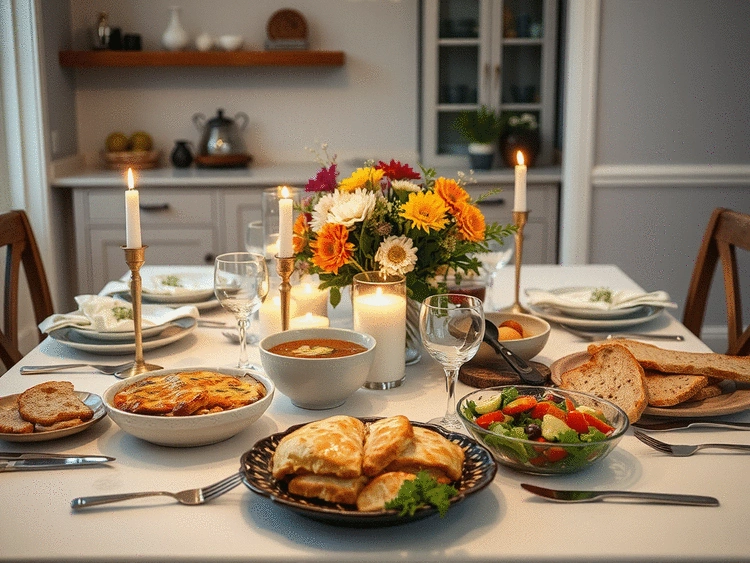
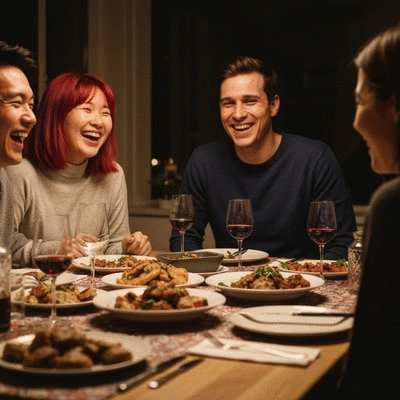
Imagine sitting around a beautifully set table, laughter echoing off the walls, and a familiar dish brings back a rush of nostalgia. It’s those moments that turn a meal into a cherished memory.
Understanding the Connection Between Food and Emotion
The bond between food and emotion is profound. Food can evoke powerful memories and feelings, making meals much more than mere gatherings. When we taste a dish, our minds often drift to a specific moment in time, a loved one, or a place filled with joy. It’s fascinating how food serves as a sensory trigger, unlocking emotional responses that enhance our enjoyment and connection with others. For more insight into this connection, read about emotional food memories and eating.
- Food as a memory-maker
- Emotional responses tied to flavors
- The significance of shared meals
By understanding these connections, we can craft dinner parties that resonate deeply with our guests, creating a meaningful experience that they’ll remember long after the last plate is cleared.
Culinary Nostalgia: Evoking Fond Memories Through Food
Culinary nostalgia plays a crucial role in how we relate to food. It’s this sense of longing for flavors from our past that often shapes our dining experiences. Whether it’s a grandmother’s secret recipe or a dish shared during family gatherings, these foods hold sentimental value. They remind us of comfort, love, and togetherness.
- Childhood favorites that bring joy
- Recipes passed down through generations
- Dishes that spark happy memories
By incorporating nostalgic dishes into your menu, you can create an emotional connection that enhances the overall atmosphere of your dinner party, inviting guests to share their own stories and memories.
Creating Nostalgia Through Menu Selection
Selecting the right dishes is critical for modern dinner parties. It’s important to choose items that resonate with your guests’ personal or cultural memories. Think about the meals that shaped their childhoods or family traditions. Menu selection can reflect rich histories and personal stories, making the meal not just a collection of dishes but a narrative journey.
- Consider regional specialties
- Include family favorites from your guests
- Balance between familiar and new dishes
Each course can be an opportunity to evoke memories, allowing your guests to relive moments that are meaningful to them, all while forging new connections through shared experiences.
The Role of Family Recipes in Emotional Connections
Family recipes are treasures that carry stories and emotions. They often reflect our cultural identities and familial bonds, serving as a way to honor our heritage. When you incorporate family recipes into your dinner party, you’re not just serving food; you’re sharing a piece of your own history with your guests. Family recipes create a sense of belonging and warmth, sparking conversations and shared experiences around the table.
- Highlight the story behind each recipe
- Encourage guests to bring their own family dishes
- Share the emotional significance of the recipes
This intimate sharing can transform a simple meal into a celebration of culture and connection, enhancing the experience for everyone involved.
Personal Storytelling: Engaging Guests with Food Narratives
Each dish has a story waiting to be told! As you prepare for your dinner party, think about how to engage your guests with the narratives behind each course. Sharing personal stories related to the dishes can ignite deeper connections and conversations around the table. Your culinary journey becomes part of the evening’s fabric, making the experience rich and memorable.
- Introduce each course with a personal anecdote
- Invite guests to share their own food stories
- Use food as a conversation starter
When you weave storytelling into your dinner party, you build a narrative that guests can connect with, ensuring they leave with lasting memories and the desire to return for more shared meals.
Designing a Multi-Sensory Dining Experience
To create an unforgettable dinner party, consider integrating a multi-sensory approach. Visual elements, music, and scents all play a pivotal role in shaping the dining experience. Set the mood with beautiful table settings and soft lighting, and choose background music that complements the theme of your meal. Scents can also enhance the ambiance, evoking memories associated with specific dishes.
- Use fresh flowers or themed decor
- Select a playlist that reflects the culture of the cuisine
- Incorporate aromatic elements, like herbs, to stimulate the senses
This thoughtful design ensures that your guests are not only enjoying the food but also the atmosphere, engaging all their senses for a truly memorable experience. The impact of such design elements can be further explored in insights on architecture's impact on dining experience.
Incorporating Comfort Food and Nostalgic Flavors
Comfort food has an incredible ability to evoke positive memories and emotions. Think of the meals that made you feel at home or wrapped you in warmth during tough times. By incorporating these dishes into your dinner party, you’re providing a sense of security and nostalgia. Comfort food can be a powerful tool for creating an inviting atmosphere and sparking joyful conversations.
- Choose dishes that evoke warmth and familiarity
- Encourage guests to share their comfort food stories
- Celebrate the joy of simple, hearty flavors
These meals remind us of the comfort of home and the love shared around the dinner table, fostering a sense of connection among guests.
Practical Steps for Organizing a Nostalgia Dinner Party
Ready to plan your own nostalgia-themed dinner party? Here’s a quick guide to get you started! Focus on creating a memorable experience centered around emotional food memories, and your guests will appreciate the thought and care you’ve put into each detail.
- Choose a theme based on a shared memory or cultural cuisine
- Curate a menu that includes nostalgic dishes
- Design the space to reflect the theme and enhance sensory experiences
- Incorporate storytelling into meal presentations
- Encourage guest participation through sharing memories
By taking these practical steps, you can ensure your dinner party is a heartfelt celebration of food, memories, and connection.

Interactive Dining: Engaging Guests in the Experience
To make your dinner party truly engaging, consider interactive dining elements. Allowing guests to share their own food memories fosters a communal environment where everyone feels included. This interaction can lead to deep conversations and connections, enriching the overall experience. Inviting guests into the narrative creates a shared sense of belonging.
- Set up a memory-sharing station or prompt
- Encourage guests to bring a dish with a story
- Facilitate discussions related to the theme of the dinner
This interactive approach not only makes it fun but also makes the dining experience more meaningful, turning a meal into a collective journey through memories.
Budget-Friendly Tips for Memorable Dinner Parties
You don’t need to break the bank to host a fantastic dinner party centered around emotional food memories! Here are some budget-friendly strategies to help you create an inviting atmosphere without overspending:
- Use seasonal ingredients to keep costs down
- DIY decorations that reflect the theme
- Opt for potluck-style contributions from guests
By implementing these cost-effective strategies, you can focus on the emotional connections that food fosters while still providing a memorable experience for your guests.
Case Studies: Successful Nostalgia Dinner Parties
Let’s take a look at some inspiring examples of successful nostalgia dinner parties. These gatherings effectively utilized emotional food memories to create lasting impressions. Each event showcases how food can connect people and evoke powerful emotions:
- A family reunion where each dish told a story from their heritage
- A themed dinner celebrating childhood favorites, complete with decorations that sparked nostalgia
- A holiday gathering focused on recipes from past generations, sharing the meaning behind each dish
These case studies demonstrate that when we embrace the emotional aspects of food and storytelling, we create an enriching experience that resonates with everyone around the table.
Quick Summary
Here's a brief recap of the key points discussed so far:
- Food serves as a powerful trigger for memories and emotions, enhancing dining experiences.
- Culinary nostalgia can be evoked through childhood favorites and family recipes, creating connections among guests.
- Selecting a menu that resonates with your guests' personal histories makes each meal a narrative journey.
- Incorporating storytelling around the dinner table deepens the emotional engagement during meals.
Frequently Asked Questions
- Q: How can food evoke emotional memories?
- A: Food acts as a powerful sensory trigger, with certain flavors, aromas, and textures instantly transporting us back to specific moments, loved ones, or joyful places, unlocking emotional responses.
- Q: What is culinary nostalgia and how can it be used in a dinner party?
- A: Culinary nostalgia is the longing for past flavors, often from childhood or family traditions. Incorporating nostalgic dishes, like family recipes or childhood favorites, can create an emotional connection and a sense of comfort and togetherness among guests.
- Q: Why are family recipes important for creating emotional connections?
- A: Family recipes are more than just food; they carry stories, cultural identities, and familial bonds. Sharing them at a dinner party is like sharing a piece of your history, fostering a sense of belonging and warmth.
- Q: How can storytelling enhance a dinner party experience?
- A: Introducing dishes with personal anecdotes or inviting guests to share their own food stories can ignite deeper connections, spark conversations, and weave a rich narrative throughout the evening, making the experience more memorable.
- Q: What elements contribute to a multi-sensory dining experience?
- A: A multi-sensory experience involves engaging all five senses. This includes visual elements (table settings, lighting), auditory elements (background music), and aromatic elements (scents from food, herbs, or candles).
- Q: Can I host a memorable nostalgia dinner party on a budget?
- A: Yes! Budget-friendly tips include using seasonal ingredients, DIY decorations, and opting for potluck-style contributions from guests. The focus should be on emotional connections rather than extravagant spending.
Reflecting on the Power of Memories and Food
As we delve deeper into the bonds between food and memory, we uncover profound insights that can transform our dining experiences. Food isn't just a means to nourish our bodies; it serves as a powerful catalyst for evoking emotions and memories. Whether it’s the aroma of a beloved dish or the flavors that transport us back to cherished moments, the connection is undeniable. Here are some key takeaways:
- Food triggers memories: Certain flavors and scents can instantly take us back to meaningful times in our lives.
- Emotional connections enhance experiences: When we associate dishes with emotions, we create deeper, more memorable dining experiences.
- Family recipes are treasures: They hold stories and traditions that enrich our meals and gatherings.
By embracing these insights, we can create more than just meals; we can craft experiences that resonate with our guests long after the last bite.
Encouraging Continued Engagement Beyond the Dinner Table
After the laughter and deliciousness of your dinner party have come to a close, keeping the emotional connections alive can be truly rewarding. Here are some ways to encourage continued engagement with your guests:
- Share a recap: Send a follow-up message thanking guests and recounting memorable moments from the evening.
- Suggest new recipes: Share links or ideas for dishes that resonate with the themes of the party.
- Plan a reunion: Consider setting a date for a future gathering centered around another nostalgic theme.
These simple gestures can deepen relationships and keep the spirit of the evening alive, turning a one-time dinner into a lasting memory.
Inviting Readers to Share Their Experiences
Have you recently hosted a dinner party that evoked powerful food memories? I would love to hear your stories! Feel free to share in the comments below. Your experiences may inspire others to create their own unforgettable gatherings. Remember, every dish tells a story, and by sharing ours, we can connect on a deeper level. Let's build a community of culinary storytellers!
Culinary Heritage: Understanding the Influence of Cultural Cuisine
Cultural cuisine plays a profound role in shaping our food memories and the overall dining experience. Each culture brings its own unique flavors and traditions that are rich with storytelling potential. Here’s how cultural cuisine influences our memories:
- Tradition and history: Many dishes have historical significance that tells us about the cultural journey of a community.
- Symbolism: Certain foods may symbolize important life events or celebrations, making them particularly memorable.
- Connection to identity: Culinary heritage helps us connect with our roots and understand our place in the world.
By embracing cultural cuisine, we not only celebrate diversity but also enrich our own culinary narratives. For a deeper look into this, consider exploring rediscovering lost culinary traditions.
Taking the Next Steps: Planning Your Own Memory-Driven Dinner
Are you ready to embark on your own journey to create a nostalgia-themed dinner party? Start by reflecting on your own food memories and those of your loved ones. Here’s how to get started:
- Choose a theme: Decide on a specific memory or cultural cuisine to focus on.
- Gather recipes: Select dishes that evoke those cherished memories or represent cultural significance.
- Create an inviting atmosphere: Use décor, music, and scents to enhance the sensory experience of your dinner.
By taking these steps, you’ll be well on your way to crafting a memorable dining experience that resonates with both you and your guests. Let’s celebrate the beautiful stories that food can tell together!
Recap of Key Points
Here is a quick recap of the important points discussed in the article:
- Food triggers memories: Certain flavors and scents can instantly take us back to meaningful times in our lives.
- Emotional connections enhance experiences: When we associate dishes with emotions, we create deeper, more memorable dining experiences.
- Incorporate family recipes: They hold stories and traditions that enrich our meals and gatherings.
- Engage guests with storytelling: Sharing personal anecdotes can ignite deeper connections and conversations.
- Create a multi-sensory experience: Use visuals, music, and scents to enhance the dining atmosphere.
- Encourage guest participation: Invite guests to share their food stories and memories for a more interactive experience.
- Plan budget-friendly strategies: Use seasonal ingredients and DIY decorations to create an inviting atmosphere without overspending.