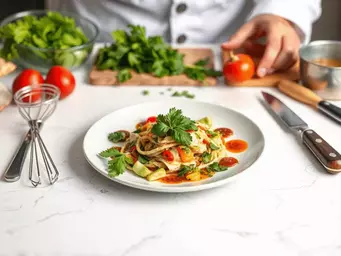

What if the secret to culinary excellence lies not just in the ingredients, but in the mindset of the chef? The journey of a chef transcends mere cooking; it encompasses the psychological traits that shape every dish. Dive into the transformative power of mindset and elevate your culinary game.
What You Will Learn
- Confidence allows chefs to take risks and innovate, enhancing their culinary creations.
- Curiosity fuels creativity, encouraging chefs to explore new flavors and techniques.
- Adaptability helps chefs stay relevant in the ever-changing culinary landscape.
- Mindfulness improves focus and emotional well-being, resulting in joyful cooking experiences.
- Resilience enables chefs to manage stress and navigate challenges effectively.
- Leadership fosters a collaborative kitchen culture, inspiring creativity and high standards.
- Discipline ensures consistency and quality in culinary practices.
- Creativity empowers chefs to break boundaries and craft extraordinary dishes.
- Collaboration enhances kitchen dynamics, leading to innovative culinary experiences.
- Continuous learning is key to growth, encouraging chefs to expand their skills and knowledge.
Mindset Traits Defining Successful Chefs
Explore the key psychological traits that drive culinary excellence and innovation, categorized into core areas.
Core Mindset Traits
- •Confidence
- •Curiosity
- •Adaptability
- •Passion
These fundamental traits drive innovation and creativity in the kitchen.
Key Mindset Pillars
- •Mindfulness
- •Resilience
- •Leadership
- •Discipline
Essential qualities for managing demanding kitchen environments efficiently.
Growth & Collaboration
- •Collaboration
- •Continuous Learning
- •Networking
- •Attention to Detail
Fostering connections and honing skills for professional and culinary development.
Execution & Management
- •Creativity
- •Time Management
- •Trend Awareness
- •Technique Mastery
Applying skills and staying current for optimal culinary output.
Understanding the Mindset of Successful Chefs
In the culinary world, the journey of a chef is far more than just about mastering techniques and recipes. It’s about having the right mindset that shapes their path. The traits that define a chef’s mindset can significantly influence the quality of the cuisine they create and the experiences they provide. Have you ever noticed how some chefs seem to infuse their dishes with a particular energy or spirit? That’s the power of mindset at work!
Successful chefs often exhibit traits such as curiosity, resilience, and creativity. These qualities don’t just help them in their culinary endeavors; they also foster a connection with their diners. By understanding the importance of mindset, aspiring chefs can cultivate these traits and elevate their own culinary practices. It’s fascinating to think about how a positive and focused mindset can transform not just a dish, but the entire dining experience.
Why Mindset Matters in Culinary Success
A chef's mindset is rooted in a blend of psychological traits that guide their decision-making and creativity. When we explore why mindset matters, we can identify key characteristics that often set successful chefs apart: emotional ties in signature dishes, for instance, are often a reflection of a chef's personal philosophy and approach to their craft.
- Confidence: Trusting their skills and intuition allows chefs to take risks and innovate.
- Curiosity: A desire to explore new flavors and techniques fuels culinary creativity.
- Adaptability: The ability to adjust to the ever-changing culinary landscape keeps their work fresh and relevant.
- Passion: A strong love for cooking drives chefs to push boundaries in their craft.
By fostering these traits, chefs can not only enhance their cooking skills but also create memorable dining experiences. Just imagine how these ingredients of the mind can blend seamlessly into a chef’s culinary journey!
The Connection Between Mindset and Culinary Innovation
Innovation in the kitchen is often a direct result of a chef's mindset. When we look at culinary innovation, we see a blend of creativity and a willingness to push boundaries. Chefs with an innovative mindset are more likely to:
- Experiment with unconventional ingredients, leading to unique flavor combinations.
- Embrace feedback and learn from both successes and failures.
- Stay informed about culinary trends and adapt their menus accordingly.
This connection between mindset and innovation is vital in today's culinary landscape, where diners seek new experiences and flavors. At Born Foodie, we celebrate those moments where a chef's vision transforms into an extraordinary dish that tells a story. It’s about the journey of discovery and the joy of creating something beautiful on a plate!
Key Mindset Traits that Define Successful Chefs
As we dive deeper into what makes a chef successful, it's essential to highlight the specific mindset traits that can define their culinary journey. Let’s explore these traits in detail!
Curiosity: Fueling Culinary Creativity
Curiosity is the driving force behind a chef's ability to explore and experiment. It encourages chefs to seek out new flavors, techniques, and culinary traditions. When a chef approaches cooking with an open mind, they are more likely to:
- Explore different cuisines and incorporate diverse elements into their dishes.
- Try innovative cooking methods that enhance flavor and presentation.
- Engage with local producers to discover unique ingredients.
This spirit of experimentation often leads to delightful surprises in the kitchen. I’ve personally witnessed the magic of curiosity when chefs create signature dishes that resonate with diners on a deeper level.
Mindfulness: Enhancing Present Moment Awareness in Cooking
Mindfulness plays a crucial role in the culinary world, particularly in improving focus and emotional well-being. When chefs practice mindfulness, they can:
- Enhance their ability to concentrate during busy kitchen shifts.
- Develop a better understanding of their ingredients and flavors.
- Improve their overall mental health, leading to more joyful cooking experiences.
In my cooking experiences, I have found that being present while preparing a meal can transform the entire process. It’s not just about the end product; it's about enjoying the journey of creating something beautiful!
Resilience: Managing Stress in the Fast-Paced Kitchen Environment
The culinary environment can be incredibly demanding, and resilience becomes a vital trait for chefs. It helps them navigate stress and challenges effectively. Chefs who embody resilience often:
- Handle pressure with grace, ensuring service runs smoothly.
- Learn from setbacks, using them as opportunities for growth.
- Maintain a positive attitude, which influences their team and the dining experience.
In high-pressure situations, it’s important for chefs to remain calm and composed. I’ve seen how resilience can turn a chaotic kitchen into a harmonious space, where creativity flourishes despite the heat!
Leadership: Balancing Team Management and Culinary Excellence
Effective leadership is essential in the kitchen, especially when it comes to managing a team and maintaining culinary excellence. Chefs with strong leadership skills can: The impact of architecture on dining experience can also be influenced by a chef's leadership, as they often shape the overall atmosphere.
- Foster a collaborative and inspiring kitchen culture.
- Guide their team through challenges while ensuring high standards.
- Encourage creativity and innovation among team members.
Leadership in the culinary world isn't just about directing; it's about bringing people together to create amazing experiences. At Born Foodie, I believe that the best meals are born from a collaborative spirit.
Discipline: The Foundation of Consistency and Quality
Discipline in cooking is crucial for maintaining high standards and ensuring operational efficiency. A disciplined chef is more likely to:
- Follow recipes accurately to achieve consistent results.
- Manage their time effectively to ensure timely service.
- Keep their workspace organized, promoting safety and efficiency.
With discipline, chefs can create a foundation for excellence in their culinary practices. This commitment resonates through every dish they create, making the experience memorable for diners!
Creativity: Breaking Boundaries in Haute Cuisine
Creativity is the heartbeat of culinary arts. It empowers chefs to push boundaries and create extraordinary dishes. A creative chef often:
- Invents unique flavor combinations that surprise and delight.
- Challenges conventional cooking methods to produce innovative presentations.
- Uses artful plating techniques to elevate the dining experience.
In my food explorations, I have been captivated by the innovative spirit of chefs who transform simple ingredients into culinary masterpieces. Creativity breathes life into every meal!
Collaboration: Building a Cohesive Kitchen Culture
Collaboration in the kitchen is essential for achieving culinary goals and enhancing creativity. Chefs who prioritize collaboration can:
- Encourage team members to share ideas, leading to innovative dishes.
- Build trust and camaraderie, fostering a positive work environment.
- Recognize and celebrate each member's strengths, enhancing overall productivity.
Through collaboration, chefs can create a kitchen culture that thrives on creativity and shared passion. At Born Foodie, I value the stories that arise when chefs work together to create something special.
Passion: The Driving Force Behind Culinary Mastery
Passion is what ignites a chef’s journey in the culinary world. It serves as the driving force that motivates them to excel. Chefs with passion often:
- Put in the extra hours to perfect their craft.
- Engage deeply with their ingredients and the culinary community.
- Inspire others through their enthusiasm and dedication to food.
Sharing a meal crafted with passion can evoke deep emotions and memories. It’s this very passion that makes every dish a story waiting to be told!
Adaptability: Thriving in a Dynamic Culinary Landscape
In a rapidly changing culinary landscape, adaptability is vital for success. Chefs who embrace adaptability can:
- Respond to evolving food trends and customer preferences.
- Incorporate seasonal ingredients to keep their menus fresh.
- Adjust their cooking techniques based on feedback and experiences.
Adapting to change not only keeps a chef relevant but also enriches their culinary repertoire. I’ve seen how embracing new ideas can lead to exciting culinary discoveries!
Continuous Learning: The Pathway to Culinary Growth
Continuous learning is essential for chefs who wish to grow in their craft. This commitment to learning allows them to:
- Stay updated on cooking techniques and culinary trends.
- Seek mentorship opportunities to enhance their skills.
- Participate in workshops and culinary competitions to gain new insights.
At Born Foodie, I wholeheartedly believe that the journey of a chef is one of lifelong learning. Every meal offers a chance to discover something new!
Attention to Detail: Crafting Culinary Excellence
Attention to detail is what separates good dishes from great ones. Chefs who prioritize detail can:
- Ensure precision in measurements and cooking times for perfect results.
- Enhance flavors through careful seasoning and plating.
- Create an unforgettable guest experience through thoughtful presentation.
It’s the little things that can elevate a dining experience from ordinary to extraordinary. This is where the chef’s dedication truly shines!
Time Management: Essential for Culinary Efficiency
Time management is crucial in a fast-paced kitchen environment. Chefs who excel in this area can:
- Prioritize tasks to ensure timely meal preparation.
- Delegate responsibilities effectively within their team.
- Balance quality and speed to meet customer expectations.
I've often marveled at how skilled chefs juggle multiple tasks while maintaining composure in the kitchen. Effective time management is the secret ingredient that ensures everything runs smoothly!
Networking: Building Relationships in the Culinary World
Networking plays a significant role in a chef’s career growth. Strong connections can lead to opportunities that elevate one’s culinary journey. Chefs who invest in networking often: Emotional food memories and eating are often shared and strengthened through such professional connections.
- Gain access to mentorships and collaborations.
- Stay informed about industry trends and events.
- Build relationships with suppliers and local farmers for fresh ingredients.
In the culinary world, relationships are everything. At Born Foodie, I emphasize the importance of community and connection in nurturing culinary talent.
Interactive Poll: What's Your Culinary Mindset?
As we explore the mindset traits that define successful chefs, we’d love to hear from you! Which trait do you believe is the most essential for culinary success?
Applying Mindset Traits to Culinary Practices
Real-World Case Studies: Chefs Who Exemplify Successful Mindset Traits
When we look at the culinary world, there’s no shortage of inspiring figures who embody the mindset traits we’ve discussed. Let’s explore a few renowned chefs and how their unique qualities have propelled them to success.
- Massimo Bottura: This Italian chef is known for his curiosity and love for experimentation. His innovative approach to traditional dishes has transformed Italian cuisine, making it accessible yet exquisite.
- Dominique Crenn: As the first female chef in the U.S. to earn three Michelin stars, Crenn’s passion and commitment to storytelling through her dishes create unforgettable dining experiences that resonate with guests.
- Thomas Keller: Renowned for his discipline and attention to detail, Keller’s meticulous standards at The French Laundry have set benchmarks in fine dining, showcasing how consistency leads to excellence.
- David Chang: Chang exemplifies adaptability, continually evolving his culinary style and embracing new trends, thus keeping his restaurants relevant and appealing to modern diners.
These chefs remind us that successful culinary journeys are not just about the food, but also about the mindset that drives our creations. Their stories inspire aspiring chefs to cultivate similar traits and embrace their culinary paths with vigor.
Practical Steps for Aspiring Chefs to Develop Key Mindset Traits
How can you, as an aspiring chef, begin to cultivate these essential mindset traits? Here are some actionable steps that can help you thrive in your culinary endeavors:
- Embrace curiosity: Experiment with new ingredients and techniques. Dedicate time each week to create a dish that challenges your current skills.
- Practice mindfulness: Incorporate mindfulness exercises into your cooking routine, such as focusing on your breath while chopping or savoring the aromas of your ingredients.
- Build resilience: Reflect on past challenges in your cooking journey and use them as learning experiences. Develop stress management techniques like deep breathing or yoga.
- Foster creativity: Allow yourself to think outside the box; try plating dishes in unconventional ways or combining flavors that might not traditionally go together.
- Connect with others: Network with fellow chefs and foodies. Share experiences and learn from one’s journeys to build a supportive community.
By actively working on these traits, you can enhance your culinary skills and develop a strong foundation for future success. It’s all about creating a mental space that fosters growth and exploration, much like what I strive to achieve with Born Foodie.
Exploring Essential Culinary Techniques and Trends
Understanding Culinary Techniques: From Basics to Advanced Methods
Culinary techniques form the backbone of any chef’s skill set. Understanding these methods is crucial for effective execution in the kitchen. From basic knife skills to advanced cooking techniques, the mindset you adopt can significantly shape your learning journey.
- Knife Skills: Mastering the basics of knife handling is essential. Practice cutting techniques like julienne and chiffonade to enhance your precision.
- Cooking Methods: Familiarize yourself with various cooking methods—sautéing, roasting, braising, and sous-vide. Each method opens up unique flavor profiles.
- Plating Techniques: Learn the art of presentation. Beautifully plated dishes not only taste good but create a lasting impression on diners.
As you develop your culinary skills, remember that a growth mindset is vital. Embrace challenges as opportunities to learn and refine your techniques.
Embracing Culinary Trends: Staying Relevant in the Industry
In today’s fast-paced culinary landscape, staying updated with trends is essential for any chef. Embracing these trends can spark creativity and align your offerings with customer desires.
- Plant-Based Cuisine: The shift towards plant-based dining is not just a trend; it’s a movement. Experimenting with vegetables and grains can lead to innovative dishes.
- Global Flavors: Merging global flavors into your dishes can create unique culinary experiences. Explore spices from different cultures and integrate them into your cooking.
- Sustainable Practices: Focusing on sustainability by sourcing local ingredients enhances your menu while supporting the community.
Staying informed about these trends will not only keep your menu fresh but also resonate with diners who appreciate innovation and responsibility in dining.
Frequently Asked Questions About the Chef's Mindset
Here are some common questions about the psychological traits and mindset of successful chefs:
- Q1: What are the most important mindset traits for a chef?
- A1: Key mindset traits include Confidence, Curiosity, Adaptability, Passion, Mindfulness, Resilience, Leadership, Discipline, and Creativity. These traits collectively contribute to culinary excellence and innovation.
- Q2: How does a chef's mindset influence culinary innovation?
- A2: A chef's mindset directly fuels innovation by encouraging experimentation with ingredients and techniques, openness to feedback, and the ability to adapt to new trends. An innovative mindset helps chefs create unique and memorable dining experiences.
- Q3: Why is mindfulness important for chefs?
- A3: Mindfulness enhances a chef's focus and emotional well-being, which are crucial in a demanding kitchen environment. It allows chefs to concentrate better, understand ingredients more deeply, and ultimately experience more joy in cooking.
- Q4: How can aspiring chefs develop these mindset traits?
- A4: Aspiring chefs can develop these traits by actively embracing curiosity (experimenting with new dishes), practicing mindfulness (focusing on the cooking process), building resilience (learning from setbacks), fostering creativity (thinking outside the box), and connecting with other culinary professionals.
- Q5: What role does collaboration play in a chef's success?
- A5: Collaboration is vital for building a cohesive kitchen culture. It encourages team members to share ideas, fosters trust and camaraderie, and leverages individual strengths, leading to innovative dishes and a positive work environment.
Recap of Key Points
Here is a quick recap of the important points discussed in the article:
- Success Mindset Traits: Confidence, curiosity, adaptability, and passion are essential traits for culinary success.
- Innovation Connection: A chef's mindset directly influences their ability to innovate and experiment with new flavors and techniques.
- Mindfulness: Practicing mindfulness enhances focus and emotional well-being in the kitchen.
- Collaboration: Building a cohesive kitchen culture fosters creativity and shared culinary experiences.
- Continuous Learning: Embracing ongoing education helps chefs stay relevant and improve their craft.