
With the culinary world constantly evolving, chefs must master the art of balancing creativity with consistency. This balance not only satisfies diners but also nurtures a chef's unique identity. As you navigate your culinary journey, consider these key insights that can enhance your skills and decision-making.
What You Will Learn
- Balancing creativity and consistency is crucial for chefs to maintain quality while innovating new dishes.
- Establishing signature dishes allows chefs to create a recognizable brand while exploring new ideas.
- Regular feedback from diners and staff can guide chefs in refining both creative and consistent elements of their dishes.
- Creating structured routines can enhance efficiency and free up mental space for innovation in the kitchen.
- Staying updated with culinary trends, such as plant-based cuisine and sustainability practices, is essential for adapting to diner expectations.
- Continuous learning, through workshops and culinary classes, is vital for personal and professional growth in the culinary arts.
- Engagement with the culinary community fosters collaboration and inspires creativity among chefs.
Chef's Balance: Creativity vs. Consistency
This visual illustrates the key factors chefs consider to balance culinary creativity with consistent quality, and the role of routines and trends in their decision-making process.
Balancing Creativity & Consistency
- Signature Dishes
- Standard Procedures
- Feedback Loops
Role of Routines in Innovation
- Efficiency
- Mindfulness
- Experimentation Time
Culinary Trends Influencing Decisions
- Plant-Based Cuisine
- Global Flavors
- Sustainability Practices
Continuous Learning & Adaptability
- Workshops & Classes
- Food Trends Monitoring
- Home Experimentation
Understanding Chef Decision-Making in High-Pressure Environments
As a passionate culinary storyteller, I often find myself fascinated by the complex decision-making processes that chefs must navigate in high-pressure environments. Imagine the intensity of a bustling kitchen during dinner service—orders are flying in, timers are beeping, and every decision counts! It’s a delicate balance between creativity and consistency, where each chef must juggle their unique style with the expectations of diners.
In this section, we'll explore how chefs redefine this balance while maintaining the integrity of their culinary creations. It's not just about cooking; it's about making choices that resonate with guests and reflect the essence of their culinary philosophy. To truly understand a chef's journey, it's essential to consider the mindset traits of successful chefs, which often include resilience and a relentless pursuit of culinary excellence.
Defining the Balance Between Creativity and Consistency
Every chef thrives on creativity, but in the heat of service, consistency becomes king. Establishing a harmonious balance between these two elements is vital for any kitchen. Here are some key factors that chefs often consider:
- Signature Dishes: Creating a few standout dishes helps maintain a consistent reputation while allowing room for creative experimentation.
- Standard Operating Procedures: Implementing guidelines ensures that each dish meets the expected quality, even when inspired by new ideas.
- Feedback Loops: Encouraging feedback from both staff and diners can guide adjustments to both the creative and consistent aspects of dishes.
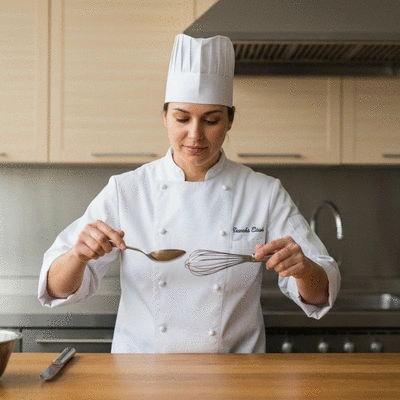
Ultimately, it’s about forging connections with diners through consistent quality, while also allowing for the spark of creativity that makes dining memorable. What do you think is more important in the kitchen—sticking to the tried-and-true or taking bold culinary risks?
The Role of Routines in Fostering Culinary Innovation
Routines might sound counterintuitive when talking about innovation, but they play a crucial role in a chef's daily life. A well-structured routine can actually foster creativity! By establishing patterns, chefs can free their minds to think creatively in areas that truly matter. Here’s how routines can help:
- Efficiency: Streamlined processes save time, allowing chefs to focus on creative aspects rather than getting bogged down in logistics.
- Mindfulness: Regular routines promote mindfulness, enabling chefs to appreciate the flavors and techniques they work with, sparking new ideas.
- Experimentation Time: Setting aside specific times for experimenting encourages chefs to step outside their comfort zones without impacting regular service.
By integrating routines, chefs can create a supportive environment that nurtures innovation while ensuring the kitchen runs smoothly. Isn’t it remarkable how structure can lead to newfound creativity? This balance is also key when blending innovation with tradition in culinary practices.
Exploring Culinary Trends That Influence Decision-Making
Culinary trends constantly shift, and staying ahead of them is imperative for chefs. These trends not only affect menu choices but also how chefs approach their decision-making process. Let's take a look at some notable trends:
- Plant-Based Cuisine: As more diners seek plant-based options, chefs must creatively adapt their recipes to accommodate this growing demand.
- Global Flavors: The blending of international cuisines encourages chefs to experiment with flavors and techniques from around the world.
- Sustainability Practices: Chefs are increasingly focused on using sustainable ingredients, which requires innovative thinking about sourcing and preparation.
Understanding and adapting to these trends allows chefs to make informed decisions that not only meet customer expectations but also push the boundaries of culinary creativity. What trends are you excited about in today’s culinary landscape?
Pro Tip
Did you know? Establishing a dedicated time for culinary experimentation can significantly enhance your creativity in the kitchen. By setting aside specific hours each week to try new recipes or techniques, you can push the boundaries of your culinary skills without the pressure of service. This practice not only fosters innovation but also leads to the development of unique dishes that can become future menu staples!
Summarizing the Balance of Creativity and Consistency
As we delve into the world of culinary artistry, finding the balance between creativity and consistency is crucial. Chefs often tread a fine line between innovating new dishes and ensuring that their signature flavors remain recognizable. This equilibrium not only satisfies diners but also fosters a unique culinary identity that chefs can proudly showcase.
In my journey with Born Foodie, I’ve discovered that the most successful chefs embrace this duality. They create exciting menus that constantly evolve while maintaining the core elements that define their style. Here are some key takeaways that can guide both aspiring and current chefs in this pursuit:
- Embrace seasonal ingredients to inspire creativity while keeping traditional flavors intact.
- Regularly seek feedback from diners to understand their preferences and expectations.
- Engage in collaborative cooking sessions with your team to blend ideas and styles.
By integrating these practices, chefs can cultivate an environment that nurtures both original ideas and the reliability that customers crave. It’s about crafting meals that not only excite the palate but also tell a story—one that diners return to time and time again.
Key Takeaways for Aspiring and Current Chefs
For those entering the culinary world or looking to sharpen their skills, there are fundamental points to keep in mind. Continuous learning and adaptability are essential. The culinary landscape is ever-changing, and staying ahead means embracing new techniques and ideas.
As I reflect on my own experiences, I realize how important it is to keep an open mind. Here are some practical strategies that aspiring chefs can use:
- Attend workshops and culinary classes to learn new methods.
- Follow food trends through blogs and social media to stay inspired.
- Experiment at home with different cuisines and ingredients to build confidence.
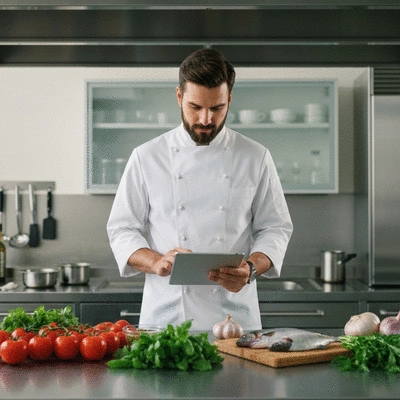
By incorporating these strategies, chefs can continually enhance their craft while remaining grounded in their culinary roots. Remember, every dish you create is an opportunity for growth!
The Importance of Continuous Learning and Adaptability in the Culinary Field
Continuous learning fuels culinary passion and innovation. In this fast-paced industry, the ability to adapt can set a chef apart. Whether it’s a new cooking technique, emerging food trends, or sustainability practices, embracing change can lead to exciting and memorable dining experiences.
Additionally, I've seen firsthand how chefs who engage in ongoing education can elevate their menus. Here are some areas where continuous learning can have a significant impact:
- Understanding food science to enhance flavors and presentation.
- Staying informed about dietary restrictions and food allergies to cater to diverse diners.
- Learning about global culinary traditions to broaden your menu options.
By prioritizing continuous learning and adaptability, chefs can not only enhance their personal skill set but also elevate their restaurant's overall culinary experience. After all, the essence of being a chef is rooted in a willingness to learn and grow! This also ties into appreciating the emotional ties in signature dishes, which often evolve through continuous refinement and learning.
Encouraging Engagement and Feedback
One of the most valuable aspects of being part of the culinary community is the shared experiences and insights between chefs. As I continue to explore the narratives behind food at Born Foodie, I encourage all chefs to engage with each other, fostering a culture of feedback and collaboration.
Inviting chefs to share their thoughts not only enriches our understanding but also creates a supportive network where everyone can thrive. Here are some ways to encourage this engagement:
- Host cooking demonstrations or workshops where chefs can showcase their techniques.
- Create online forums or social media groups for sharing challenges and solutions.
- Participate in culinary events to connect with fellow chefs and exchange ideas.
These connections can lead to fruitful collaborations and inspire creativity within the community. Let’s build a richer culinary landscape together!
Resources for Further Exploration of Culinary Decision-Making
For those eager to dive deeper into culinary decision-making, there are numerous resources available that can enhance your understanding and skills. I recommend exploring books, documentaries, and online courses that focus on the psychology of cooking, food trends, and kitchen management strategies.
Here are some resources that have profoundly impacted my culinary journey:
- The Flavor Bible by Karen Page and Andrew Dornenburg for flavor pairing inspiration.
- Salt, Fat, Acid, Heat by Samin Nosrat to understand the fundamentals of cooking.
- Online platforms like MasterClass for courses taught by renowned chefs.
Utilizing these resources can broaden your perspective and refine your culinary skills, helping you make informed decisions in the kitchen.
Culinary Competitions: What Can Chefs Learn?
Culinary competitions present a unique opportunity for chefs to challenge themselves and learn from their peers. Participating in these events not only sharpens technical skills but also fosters resilience and creativity under pressure.
From my observations, here are some valuable lessons chefs can gain through culinary competitions:
- Time management: Creating dishes within a limited timeframe hones efficiency.
- Presentation skills: Competitions often emphasize plating, enhancing visual appeal.
- Networking: Engaging with fellow competitors can lead to collaborations and friendships.
Ultimately, culinary competitions are more than just contests; they are a celebration of creativity, skill, and the passion we all share for food. Let’s encourage one another to embrace these challenges and grow together in our culinary journeys!
Recap of Key Points
Here is a quick recap of the important points discussed in the article:
- Balance Creativity and Consistency: Establish signature dishes and standard operating procedures to maintain quality while allowing for creative experimentation.
- Utilize Routines for Efficiency: Implementing daily routines can foster creativity by freeing chefs to focus on innovative aspects without getting bogged down by logistics.
- Stay Ahead of Culinary Trends: Adapt to trends like plant-based cuisine and sustainability practices to make informed decisions that resonate with diners.
- Continuous Learning is Crucial: Engage in ongoing education to stay current with culinary techniques and trends, enhancing both personal skills and dining experiences.
- Encourage Feedback and Collaboration: Foster a supportive culinary community by sharing experiences and insights among chefs to inspire creativity and growth.
Frequently Asked Questions (FAQs)
Q: Why is balancing creativity and consistency important for chefs?
A: Balancing creativity and consistency is crucial because it allows chefs to innovate and keep menus exciting while ensuring that the quality and flavor of dishes remain reliably high for diners. This also helps build a recognizable culinary identity.
Q: How can routines foster innovation in the kitchen?
A: Routines create efficiency by streamlining standard tasks, which frees up a chef's mental space and time for creative exploration and experimentation. Structured time for innovation without impacting regular service is key.
Q: What are some current culinary trends influencing chef decisions?
A: Current culinary trends include plant-based cuisine, global flavors, and sustainability practices. Adapting to these trends helps chefs meet evolving diner expectations and push the boundaries of their craft.
Q: Why is continuous learning vital for chefs?
A: Continuous learning is vital for chefs to stay updated with new techniques, food science, emerging trends, and dietary requirements. This ongoing education enhances personal skills and elevates the overall dining experience offered.
Q: How can chefs encourage engagement and feedback within the culinary community?
A: Chefs can encourage engagement and feedback through activities like hosting cooking demonstrations, creating online forums for sharing challenges and solutions, and participating in culinary events to network and exchange ideas.