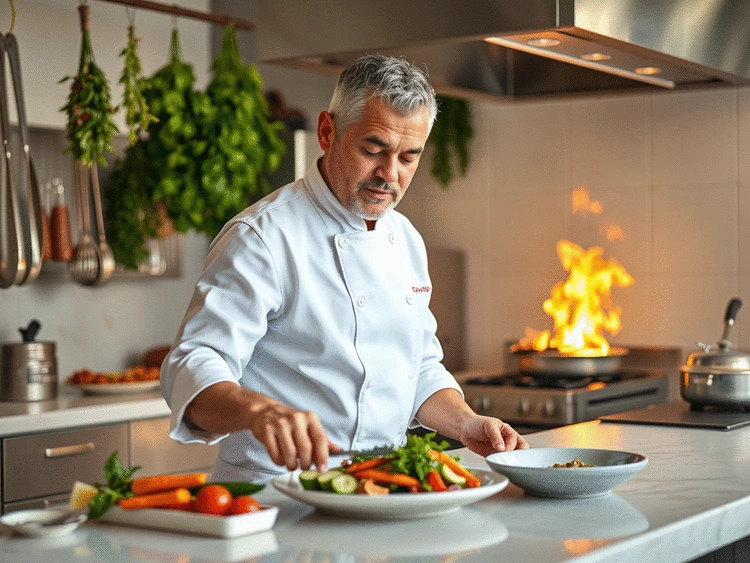

What if the secret ingredient to a chef's signature dish is the very culture of their kitchen? Understanding the environment where culinary art is crafted reveals a rich tapestry of flavors and stories. Dive into the intricate dynamics between restaurant culture and chef identities to discover how these elements shape the dining experience.
What You Will Learn
- Kitchen Culture Matters: The culture within a kitchen significantly influences chef behavior, shaping their approach to cooking and collaboration.
- Celebrity Chefs as Influencers: The rise of celebrity chefs has transformed culinary trends, introducing innovative practices and highlighting sustainability.
- Leadership Styles Count: Effective leadership fosters a supportive atmosphere, encouraging creativity and teamwork among chefs.
- Mentorship Shapes Culinary Paths: Experienced chefs mentoring less experienced cooks can enhance skills and confidence in the culinary field.
- Peer Loyalty Drives Success: Strong bonds and mutual respect among kitchen staff lead to better collaboration and consistent quality in dishes.
The Dynamics of Restaurant Culture and Chef Identity
This visual explores how restaurant culture, socialization, and mentorship shape chef behavior and professional identity within culinary environments. To truly appreciate the depth of these connections, one must consider the emotional ties in signature dishes, which are often a direct reflection of a chef's journey and kitchen environment.
Restaurant Culture: Unwritten Rules & Values
Defines operations and atmosphere, shaping decisions from menu design to chef interactions.
Impact on Chef Behavior & Identity
- Adaptation: Culinary styles conform to environment.
- Creativity: Fosters or hinders expression based on support.
- Connection: Influences team and diner relationships.
Occupational Identity Framework
- Socialization: Hierarchy shapes roles in Michelin kitchens.
- Peer Loyalty: Essential for collaboration and success.
- Discipline: Ensures consistency and quality.
Role of Chef Mentorship
Experienced chefs guide less experienced cooks, sharing knowledge and shaping careers, especially in high-pressure environments.
Understanding the Role of Restaurant Culture in Culinary Dynamics
Restaurant culture plays a pivotal role in shaping not just the dining experience but also the identities of the chefs who create the culinary magic. At Born Foodie, we delve into these intricate dynamics, exploring how the environment of a restaurant influences everything from menu design to chef behavior. Have you ever thought about how the atmosphere of your favorite restaurant affects the dishes served? Each kitchen has a story to tell, woven through its unique culture.
Defining Restaurant Culture and Its Impact on Chefs
What is Restaurant Culture?
Restaurant culture encompasses the unwritten rules, practices, and values that define how a culinary establishment operates. This culture is a blend of traditions, chef philosophies, and team dynamics that together create a distinctive atmosphere. Think about the hustle of a busy kitchen, where each member plays a vital role in maintaining the flow of service. Understanding this culture is essential for anyone who loves food, as it shapes the very essence of what diners experience.
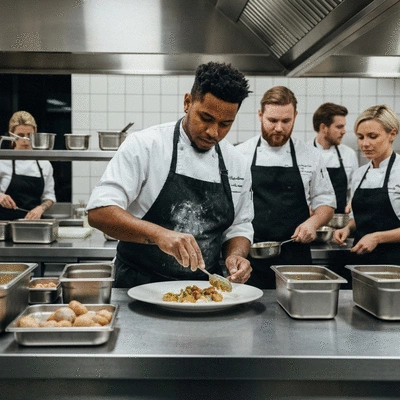
In my culinary journey, I've seen how restaurant culture can vary dramatically, even within the same city. For instance, a casual eatery may foster a laid-back vibe, while a fine dining establishment requires precision and formality. Each environment not only impacts the food but also influences chef creativity and personal growth. This is particularly evident when considering the mindset traits of successful chefs, which are often nurtured by the culture of their workplace.
How Culture Influences Chef Behavior and Identity
The culture of a restaurant plays a significant role in shaping a chef's behavior and identity. Chefs often adapt their culinary styles and decision-making processes based on the environment in which they work. Whether it’s the fast-paced world of a Michelin-starred kitchen or the collaborative spirit of a farm-to-table bistro, the culture dictates how chefs express their creativity.
- In a high-pressure kitchen, you might find chefs adopting a more competitive nature.
- Conversely, in a supportive environment, creativity can thrive through collaboration.
- Mentorship within the kitchen can help shape emerging chefs into confident culinary artists.
These influences are critical because they not only shape the chef's identity but also determine how they connect with their team and diners. Have you ever noticed how the personality of a chef reflects in their dishes? That's the magic of restaurant culture!
Occupational Identity: The Framework of Culinary Professionals
Socialization and Hierarchy in Michelin-Starred Kitchens
In Michelin-starred kitchens, the hierarchy is often strict, with a clear delineation of roles and responsibilities. This hierarchy fosters a unique form of socialization, where each chef must learn to navigate their position within the kitchen dynamics. From the executive chef down to the line cooks, everyone has a part to play in the overall success of the restaurant.
I've witnessed firsthand how this structured environment can both challenge and empower chefs. It’s a place where skills are honed under pressure, leading to remarkable culinary creations. The relationships built in these kitchens often extend beyond the professional realm, forming lasting bonds among team members.
Peer Loyalty and Discipline: The Backbone of Kitchen Cultures
Peer loyalty and discipline serve as the backbone of strong kitchen cultures. Chefs learn to depend on one another, fostering a sense of camaraderie that is essential for success. In my experience, kitchens thrive when there’s mutual respect and a shared commitment to excellence. This loyalty not only enhances team dynamics but also creates an environment where creativity can flourish.
- Mutual respect among staff leads to better collaboration.
- Discipline ensures consistency in the quality of dishes.
- A strong sense of teamwork results in a more enriching culinary experience.
Ultimately, peer loyalty cultivates a nurturing atmosphere that inspires creativity and encourages innovation in the culinary process. This collective spirit is vital, much like the precision required to mastering emulsification for homemade sauces, where each step contributes to the perfect outcome.
The Role of Chef Mentorship in Culinary Development
Mentorship is a vital aspect of culinary development, especially in high-pressure environments like professional kitchens. Experienced chefs often take on the role of mentors to guide less experienced cooks, sharing invaluable knowledge and skills. This relationship not only enhances the skill set of the mentee but also reinforces the mentor's own expertise.
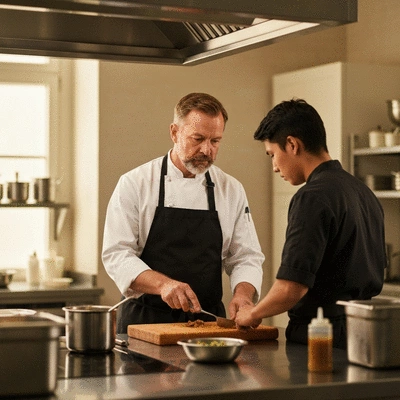
In my own culinary journey, I’ve seen how mentorship has the power to transform aspiring chefs into confident professionals, ready to tackle the demands of the kitchen. Have you had a mentor who helped shape your culinary journey? These connections can profoundly impact one’s career path!
Pro Tip
Did you know? The ambiance of a restaurant can significantly enhance your dining experience. Pay attention to the decor, lighting, and even the background music; these elements work together to create a unique atmosphere that influences the flavors and presentation of the dishes served. Next time you dine out, take a moment to reflect on how the restaurant's culture impacts your meal!
Frequently Asked Questions About Restaurant Culture and Chef Identity
Summarizing the Interplay Between Restaurant Culture and Chef Behavior
As we wrap up our exploration of how restaurant culture and chef behavior intertwine, it’s crucial to recognize the profound impact this relationship has on culinary identities. Understanding the nuances of kitchen dynamics not only enriches our appreciation for the culinary arts but also informs how we lead in these vibrant environments. So, what are the key takeaways?
Key Takeaways on Culinary Identity Formation
In the realm of culinary identity, several factors shape how chefs develop their craft and respond to their environments. Here are some essential insights:
- Kitchen Culture Matters: The culture within a kitchen significantly influences chef behavior, shaping their approach to cooking and collaboration.
- Celebrity Chefs as Influencers: The rise of celebrity chefs has transformed culinary trends, as they introduce innovative practices and highlight sustainability.
- Leadership Styles Count: Effective leadership fosters a supportive atmosphere, encouraging creativity and teamwork among chefs.
By grasping these elements, we can better appreciate how chefs navigate their professional landscapes. It's fascinating to see how, at Born Foodie, we celebrate these stories and the emotional connections they create.
How Understanding Kitchen Culture Can Enhance Leadership
When we take the time to understand kitchen culture, we pave the way for enhanced leadership within culinary settings. Good leaders can cultivate environments that prioritize respect, communication, and creativity. This not only boosts team morale but also produces exceptional culinary results. Have you ever noticed how a chef’s demeanor can influence a restaurant’s atmosphere? That’s the power of understanding!
The Value of Celebrity Influence in Shaping Culinary Futures
Celebrity chefs play a significant role in shaping culinary futures by introducing trends that resonate with contemporary diners. Through their innovative approaches, they inspire both home cooks and professional chefs alike. Whether it’s through television shows, social media presence, or restaurant collaborations, their influence is undeniable. What trends have you followed that stemmed from a celebrity chef’s work?
Encouraging Discussion and Continuing Exploration
As we delve deeper into the world of culinary culture, I invite you, dear readers, to share your own experiences. Each of us has a unique relationship with food that intertwines with our personal stories. How has your background shaped your culinary journey? Your insights enrich our community here at Born Foodie, where we celebrate the narratives behind every dish!
Inviting Reader Engagement: Share Your Culinary Experiences
What has your culinary journey looked like? Have you found yourself influenced by a particular chef or a restaurant culture? I encourage you to leave a comment, sharing your thoughts and experiences. Let’s engage in a conversation that celebrates the diversity of culinary narratives!
Call to Action: Explore Further Resources on Culinary Culture
For those eager to learn more about the intricate relationships between food, culture, and cuisine, consider exploring additional resources. Whether it’s reading articles, watching documentaries, or even participating in local culinary events, there’s a wealth of knowledge waiting for you. At Born Foodie, we strive to provide insights that deepen your culinary appreciation, so stay tuned for more stories that connect food with its rich emotional tapestry!
Recap of Key Points
Here is a quick recap of the important points discussed in the article:
- Kitchen Culture Matters: The environment within a kitchen significantly influences chef behavior, shaping their approach to cooking and collaboration.
- Celebrity Chefs as Influencers: The rise of celebrity chefs has transformed culinary trends, introducing innovative practices and emphasizing sustainability.
- Leadership Styles Count: Effective leadership fosters a supportive atmosphere, encouraging creativity and teamwork among chefs.
- Importance of Mentorship: Mentorship is vital for culinary development, guiding less experienced cooks and enhancing their skills.
- Peer Loyalty and Discipline: Strong kitchen cultures rely on mutual respect and teamwork, essential for maintaining high standards and fostering creativity.