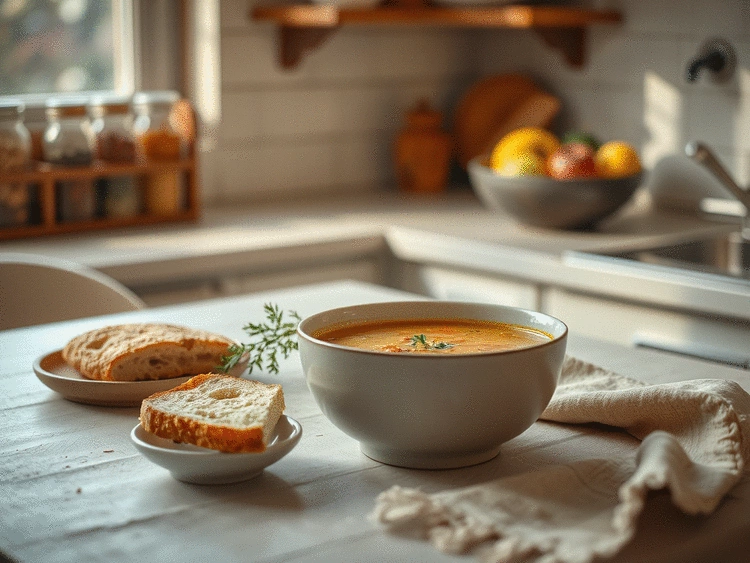

What if your favorite meal is more than just food? What if it carries memories, emotions, and stories that shape your relationship with eating? Exploring the emotional dimensions of food can transform how you view your meals, making each bite a part of your life narrative.
What You Will Learn
- Food serves as a powerful memory trigger, often transporting us back to significant life events.
- Emotional eating, while common, can be understood through recognizing triggers such as stress, boredom, and social situations.
- Mindful eating practices can enhance your relationship with food, encouraging a more compassionate approach to cravings.
- Recreating family recipes and sharing stories around meals can deepen our connections to food and culture.
The Emotional Tapestry of Food: Triggers and Impact
This visual explores the intricate connections between emotions, food choices, and comfort eating, highlighting common triggers and their psychological impact. For a deeper dive into how food and emotions intertwine, you might find our article on emotional food memories and eating particularly insightful.
Emotional Eating: Triggers & Types
Impact of Food-Related Emotions
- • Memories of Comfort
- • Nostalgic Flavors
- • Food as a Reward
Steps for Healthy Eating Habits
- • Mindful Eating
- • Emotional Check-Ins
- • Cooking as Therapy
Understanding Emotional Food Memories and Comfort Eating
Have you ever craved a specific dish during a moment of stress or nostalgia? You’re not alone! Our emotional connections to food run deep, often influencing our choices in ways we might not even realize. In this section, we'll explore the intricate relationship between our emotions and what we choose to eat, unraveling the beautiful tapestry of memories that food represents in our lives.
At Born Foodie, we believe that each bite has a story to tell, and those stories are often laced with our feelings. Whether it's the warmth of a homemade lasagna that reminds you of family gatherings or the crispness of an apple pie that transports you back to childhood, these memories shape our eating habits in profound ways.
The Connection Between Emotions and Food Choices
Food is much more than sustenance; it’s a vessel for emotional expression. The connection between emotions and food choices can be profound. When we’re happy, we might celebrate with cake, while stress might lead us to seek out comfort foods. It’s fascinating how our feelings can dictate not only what we eat but also how much we enjoy it.
- Joy: Celebratory meals often feature indulgent selections.
- Sadness: Foods like ice cream or chocolate become sources of comfort.
- Stress: Crunchy snacks might be our go-to for a quick distraction.
Identifying these patterns can help us understand our eating habits better. What do you reach for when you’re feeling a certain way? Reflecting on this can lead to insights about your relationship with food.
Defining Emotional Eating: What It Means and Why It Happens
So, what exactly is emotional eating? It refers to the practice of using food to cope with emotions rather than hunger. This behavior can stem from various triggers, including stress, anxiety, and even happiness. It’s essential to recognize that emotional eating isn’t inherently bad; it becomes problematic when it leads to unhealthy habits or feelings of guilt. Understanding the underlying reasons is key to developing a healthier relationship with food, much like exploring the science of childhood food connections can reveal deep-seated patterns.
- Stress eating: Often occurs in response to overwhelming situations.
- Boredom eating: Tends to happen when we lack stimulation.
- Social eating: Can result from gathering with friends and family.
Understanding these triggers can help us approach emotional eating with more compassion. It’s not just about food; it’s about the feelings that accompany our choices.
Exploring Food-Related Emotions and Their Impact on Eating Habits
Have you ever noticed how certain foods evoke specific memories or emotions? The impact of food-related emotions on our eating habits can be profound. Cooking and sharing meals with loved ones can create bonds that linger long after the dishes are cleared. Conversely, negative emotions tied to food can lead to anxiety and discomfort around eating.
- Memories of comfort: Foods that remind us of family can evoke feelings of safety and warmth.
- Nostalgic flavors: Tastes from childhood can trigger joyful memories.
- Food as a reward: Treating ourselves with favorite meals can reinforce positive behaviors.
By recognizing how our emotions and memories influence our eating patterns, we can create a more mindful relationship with food. Next time you sit down for a meal, take a moment to savor not just the flavors, but the memories that come flooding back!
The Psychological Mechanisms Behind Comfort Eating
Now that we've explored the emotional connections to food, let's dive into the psychological mechanisms that often drive us to seek comfort in our favorite dishes.
Pro Tip
When reflecting on your emotional connections with food, consider creating a "memory meal." This is a dish prepared with ingredients that evoke specific memories or feelings, allowing you to explore your emotional landscape through culinary experiences. Not only will this deepen your appreciation for the flavors, but it will also transform your cooking into a form of self-discovery.
Summarizing the Impact of Emotional Food Memories
Understanding the deep connections between food and emotions is crucial for appreciating our eating habits. Emotional food memories often serve as comforting anchors, reminding us of cherished moments from our past. These memories can evoke feelings of happiness, nostalgia, or even sadness. By recognizing these emotional ties, we can gain valuable insights into our comfort eating behaviors.
Here are some key takeaways about comfort eating and its psychological roots:
- Food as a Memory Trigger: Specific dishes can instantly transport us back to significant life events.
- Emotional Regulation: Many people use food to cope with stress or difficult emotions.
- Patterns of Consumption: Understanding our emotional triggers can help us identify why we reach for certain foods during specific times.
- Culture's Influence: Our backgrounds shape how we perceive comfort foods and emotional eating.
As we reflect on these insights, we can start to cultivate a healthier relationship with food, one grounded in awareness and understanding.
Encouraging Healthy Relationships with Food Through Awareness
To foster a positive connection with food, we must become more mindful of our eating habits and the emotions tied to them. Implementing awareness strategies can help us recognize when we are eating out of emotion rather than hunger. One effective approach is to pause before reaching for a snack and ask ourselves, "Am I truly hungry, or is this a response to my emotions?"
Incorporating the following practices can significantly enhance our relationship with food:
- Mindful Eating: Slow down and enjoy each bite, allowing yourself to savor the flavors.
- Emotional Check-Ins: Regularly assess your emotional state to understand your cravings.
- Cooking as Therapy: Engaging in the cooking process can shift your focus from eating as a coping mechanism to creating joyful memories.
These practices can encourage a healthier, more mindful approach to food, ultimately leading to enhanced emotional well-being.
The Importance of Savoring Memories and Food Nostalgia
At Born Foodie, we believe in the power of memories and how they shape our culinary experiences. Savoring food nostalgia can provide a comforting bridge between our past and present. Each dish tells a story, filled with emotions and memories, making every meal an opportunity to connect with our history. For more on this, explore how different foods that spark joyful memories can enrich your life.
By taking the time to celebrate these memories, we not only honor our past but also create a meaningful present. Here are some ways to appreciate food nostalgia:
- Recreate Family Recipes: Try cooking a dish that reminds you of a loved one.
- Share Stories: Discuss with friends or family the memories tied to specific meals.
- Document Your Journey: Keep a food journal to capture your culinary experiences and the emotions attached to them.
These practices can deepen our appreciation for food's emotional significance and help us connect with our roots.
Taking Action: Steps Toward Healthier Eating Habits
Integrating Coping Strategies into Daily Life for Better Emotional Health
To promote emotional health, it's essential to integrate effective coping strategies into our daily routines. Remember, small changes can lead to significant improvements in our relationship with food. For instance, setting aside time for mindful practices or journaling can help us understand our triggers better.
Here are some practical steps to consider:
- Establish a daily routine that includes moments of mindfulness.
- Try new recipes that evoke positive memories.
- Engage in physical activities that boost your mood, like walking or yoga.
Implementing these strategies can empower us to approach food with a healthier mindset.
Resources and Support Systems for Those Struggling with Emotional Eating
Finding support is vital for anyone struggling with emotional eating. Resources like support groups, therapy, or online forums can provide much-needed understanding and guidance. I encourage you to reach out and explore what's available in your community or online.
Some valuable resources include:
- Therapists: Seek professionals who specialize in emotional eating.
- Support Groups: Join groups focused on healthy eating habits and emotional health.
- Online Communities: Engage with others facing similar challenges in forums or social media groups.
By connecting with others and accessing these resources, we can cultivate a supportive environment conducive to healing.
Understanding Dietary Habits to Promote Psychological Wellbeing
Understanding our dietary habits is crucial for promoting psychological well-being. It’s important to recognize that what we eat can affect our mood and emotional state. By making conscious choices about our diet, we can improve not just our physical health but also our mental resilience.
Consider the following dietary habits for better emotional health:
- Balanced Nutrition: Incorporate a variety of foods to ensure you're getting all the essential nutrients.
- Limit Processed Foods: Reduce consumption of high-sugar and high-fat processed foods that can negatively impact mood.
- Hydration: Drink plenty of water, as dehydration can lead to fatigue and irritability.
By prioritizing our dietary choices, we can create a foundation for mental wellness while enjoying the rich tapestry of flavors that food offers.
Frequently Asked Questions About Emotional Food Memories and Eating
- Q: What are emotional food memories?
- A: Emotional food memories are recollections of significant life events, feelings, or individuals triggered by specific foods or meals, often evoking strong feelings of comfort, nostalgia, or happiness.
- Q: How do emotions influence our food choices?
- A: Emotions can profoundly dictate our food choices, leading us to seek celebratory meals when happy, comfort foods when sad, or crunchy snacks when stressed. These choices are often driven by a desire to cope with or enhance our emotional state rather than physical hunger.
- Q: What is emotional eating, and when does it become problematic?
- A: Emotional eating is using food to cope with feelings like stress, boredom, or anxiety, rather than responding to physical hunger. It becomes problematic when it leads to unhealthy habits, guilt, or negatively impacts one's physical or mental health.
- Q: What are some common triggers for emotional eating?
- A: Common triggers include stress, boredom, social situations, sadness, and even joy. Understanding these triggers is the first step toward managing emotional eating.
- Q: How can mindful eating practices improve my relationship with food?
- A: Mindful eating involves slowing down, savoring each bite, and paying attention to your body's hunger and fullness cues. This practice helps you differentiate between emotional and physical hunger, leading to a more compassionate and healthier relationship with food.
- Q: Why is it important to savor food nostalgia?
- A: Savoring food nostalgia helps connect our past and present, enriching our culinary experiences with personal history and emotional depth. It allows us to honor memories, strengthen bonds with loved ones, and appreciate the cultural significance of food.
Recap of Key Points
Here is a quick recap of the important points discussed in the article:
- Emotional Connections: Food evokes strong emotional ties, influencing our eating habits during various emotional states.
- Understanding Emotional Eating: Recognizing triggers such as stress, boredom, or joy can help us address emotional eating patterns.
- Mindful Eating Practices: Strategies like slowing down during meals and regularly checking in with our emotions can foster a healthier relationship with food.
- Food Nostalgia: Savoring memories through family recipes and shared stories can deepen our appreciation for food and its emotional significance.
- Healthy Dietary Habits: Incorporating balanced nutrition and understanding our dietary choices can promote better emotional health.