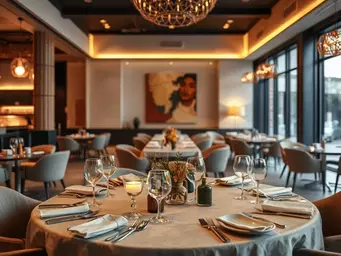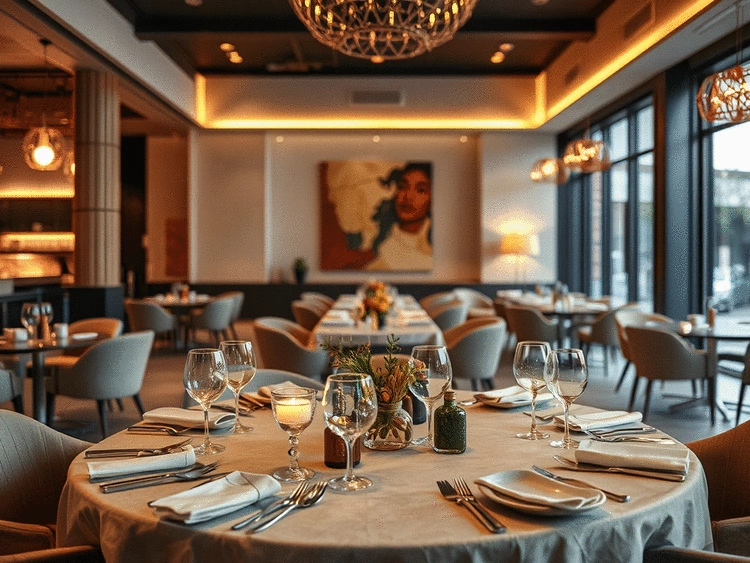

Did you know that an engaging restaurant menu can significantly enhance your dining experience? The design of a menu is more than just an aesthetic choice; it's a vital tool that can evoke emotions, tell stories, and even influence purchasing decisions. Let's explore the impact of thoughtful menu design on the overall dining experience.
What You Will Learn
- The visual appeal of a menu, including colors and fonts, can set the mood for diners.
- A well-organized menu helps customers make decisions more easily and enhances their experience.
- Incorporating storytelling into menu design creates a personal connection between diners and their meals.
- Thematic elements can reflect a restaurant's brand identity and enhance customer engagement.
- Successful examples from top restaurants illustrate the importance of innovative menu design in creating memorable dining experiences.
- Menus like those at Noma and Dead Rabbit show how seasonal themes and storytelling can boost sales and customer loyalty.
How Restaurant Menu Design Impacts Customer Experience
Discover how world-class restaurants leverage innovative menu designs to create memorable dining experiences, influencing perceptions and engagement.
Understanding the Impact of Restaurant Menu Design on Customer Experience
When it comes to dining out, the restaurant menu design is often the unsung hero of the customer experience. Have you ever noticed how a beautifully crafted menu can make you feel more excited about the meal ahead? It's not just about listing dishes; it's an entire experience that influences customer perceptions and enhances their dining adventure. A well-designed menu can evoke emotions, tell stories, and even prompt diners to try something new! For more insights into how design elements influence dining, you might be interested in the impact of architecture on the dining experience.
At Born Foodie, I believe that the emotional connections we have with food extend beyond the plate. The artistry of menu design intertwines with the culinary narrative, inviting diners to explore and savor each moment. Let’s delve into how the aesthetics of a menu can transform an ordinary meal into an unforgettable experience.
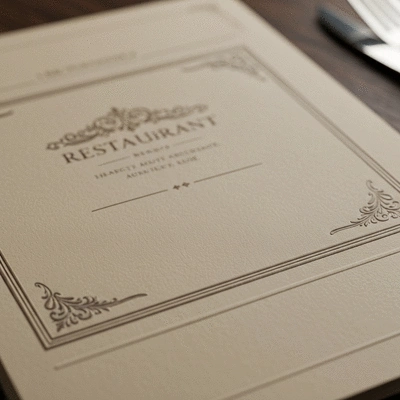
Exploring the Relationship Between Design and Dining
Menu design plays a crucial role in shaping how customers perceive the restaurant and its offerings. Here are a few key aspects to consider:
- Visual Appeal: The choice of colors, fonts, and images can set the mood and attract diners' attention.
- Organization: A well-structured menu helps customers navigate their options, making it easier to make decisions.
- Storytelling: Menus that tell a story can resonate with diners on a deeper level, creating a personal connection to the food.
As we dive deeper into these elements, it becomes evident that effective menu design isn’t just eye candy—it's a vital component of the overall dining experience. It establishes a connection between the restaurant's ethos and its culinary offerings.
The Role of Thematic Elements in Menu Design
Thematic elements can significantly impact how a menu resonates with diners. Iconic restaurants often employ specific themes to create immersive menus that reflect their brand identity. For instance:
- Cultural Influences: Many establishments draw from the cultural roots of their cuisine, using traditional motifs and artwork to create an authentic atmosphere.
- Seasonality: Seasonal themes can reflect the freshness of ingredients, enticing diners to explore what’s currently available.
- Storytelling through Design: Unique illustrations or narratives associated with each dish can enhance the dining journey.
These thematic elements not only enhance the aesthetic appeal of the menu but also deepen the connection between diners and the food they enjoy. At Born Foodie, I often reflect on how food transcends mere sustenance, and thematic menus are a brilliant way to celebrate that connection. Discover more about how food sparks joyful memories and deepens our relationship with dining.
Highlighting Successful Menu Designs from World-Class Restaurants
Several top-tier restaurants have mastered the art of menu design, elevating the dining experience through innovation and creativity. For instance:
- Alinea: Known for its avant-garde cuisine, Alinea's menu features intricate descriptions that paint a picture of each dish—transforming the menu into a narrative.
- Eleven Madison Park: Their menu reflects a strong sense of place and seasonality, with beautifully curated dishes that celebrate local produce.
- Osteria Francescana: With a focus on storytelling, the menu at this three-Michelin-star restaurant offers more than just food; it presents an artistic experience.
These examples illustrate how world-class restaurants leverage innovative menu designs to create memorable dining experiences. It's a reminder that a thoughtfully crafted menu can enhance not only customer satisfaction but also loyalty.
Pro Tip
To elevate your restaurant's menu design, consider incorporating interactive elements such as QR codes that link to videos of the chef preparing dishes or testimonials from satisfied diners. This not only adds a layer of engagement but also allows your customers to connect more deeply with the culinary story behind each dish!
Frequently Asked Questions About Restaurant Menu Design
Q: How does menu design influence customer perception?
A: Menu design significantly influences customer perception by setting the mood through visual appeal (colors, fonts, images), aiding decision-making with good organization, and creating deeper connections through storytelling. A well-designed menu can make the dining experience more exciting and memorable.
Q: What role do thematic elements play in menu design?
A: Thematic elements, such as cultural influences, seasonality, and storytelling through unique illustrations, create immersive menus that reflect a restaurant's brand identity. They enhance aesthetic appeal and deepen the connection between diners and their food, making the experience more engaging.
Q: Can innovative menu design increase sales?
A: Yes, innovative menu design can definitely boost sales. For example, Dead Rabbit's graphic novel menu increased cocktail sales by making the menu more engaging and educational. When menus tell a story or offer unique interaction, customers are often more inclined to explore and purchase new items.
Q: How do world-class restaurants use menu design for memorable experiences?
A: World-class restaurants like Alinea, Eleven Madison Park, and Osteria Francescana use intricate descriptions, reflect seasonality, and present artistic narratives to elevate their menus. These designs transform a simple list of dishes into an integral part of an unforgettable dining experience, fostering customer satisfaction and loyalty.
Q: What are some examples of successful menu design strategies?
A: Examples include Dead Rabbit's graphic novel menu for visual storytelling and boosted sales, Noma's seasonal menus that foster engagement and sustainability, Toko Dubai's marbled menus reflecting cultural themes, and The Barrymore Pub's Art Deco-inspired menu that offers a journey through time. Each strategy successfully integrates design with the dining concept.
Case Studies of Iconic Restaurants Where Design Shapes the Menu Experience
Delving into the world of menu design, we find remarkable examples where creativity meets culinary excellence. These case studies highlight how thought-provoking menu designs can elevate both customer experience and restaurant performance. Each of these iconic establishments demonstrates the profound impact of a well-crafted menu on diners' perceptions and engagement.
Dead Rabbit: How a Graphic Novel Menu Boosted Sales
At Dead Rabbit, a renowned cocktail bar in New York, the menu is more than just a list of drinks; it’s an engaging graphic novel! This unique approach not only entertained customers but also educated them about the cocktails' backstories. By blending storytelling with visual appeal, Dead Rabbit saw a significant increase in cocktail sales, showcasing how design can directly influence revenue.
- Visual Storytelling: Each page of the menu unfolds like a comic, drawing guests into the narrative.
- Educative Elements: The menu details the inspiration behind each drink, fostering a deeper connection.
- Engaging Format: The interactive design encourages diners to explore and try new cocktails.
It’s fascinating how a simple redesign can transform a menu into a captivating experience! I often wonder how many more restaurants could benefit from adopting such innovative ideas.
Noma: Designing for Seasonal Experiences
Noma, often lauded as one of the best restaurants in the world, takes a different approach. Its menu is a reflection of the seasons, changing frequently to showcase fresh, local ingredients. This design philosophy not only highlights the restaurant’s commitment to sustainability but also builds anticipation among diners.
- Seasonal Themes: Menus rotate based on the harvest, ensuring that every visit offers something new.
- Visual Appeal: The dishes are presented in a way that reflects the beauty of nature.
- Customer Engagement: Diners are invited to experience the flavors of the season, creating a deeper connection to the cuisine.
It’s inspiring to see how Noma’s menu design fosters excitement and engagement, turning each dining experience into a seasonal celebration!
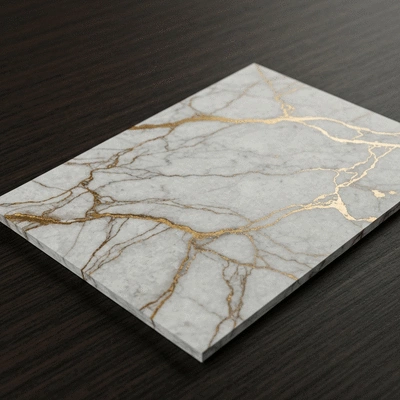
Toko Dubai: Marbled Menus that Reflect Cultural Themes
Toko Dubai impresses with its menu design that captures the essence of its cultural roots. The marbled effect of the menus not only reflects the aesthetic of the cuisine but also resonates with the heritage of Dubai. This thoughtful design element enhances the overall dining experience by connecting customers to the rich cultural story behind their meal.
- Cultural Representation: The marbled design symbolizes traditional artistry, inviting diners into the culture.
- Immersive Experience: Menus serve as a visual gateway, enhancing the connection between the food and its cultural significance.
- Coherent Branding: The design aligns with the restaurant’s theme, reinforcing brand identity.
It’s amazing how Toko Dubai’s menu does more than list dishes—it weaves a narrative that enriches the culinary adventure!
The Barrymore Pub: A Journey Through Time with Art Deco Influence
The Barrymore Pub stands out with its Art Deco-inspired menu, which mirrors the vintage ambiance of the venue. The menu’s design pays homage to the historical significance of the era, appealing to diners who appreciate a taste of nostalgia. This unique approach not only complements the decor but also enhances the overall experience. To delve deeper into how various elements influence the dining atmosphere, consider exploring restaurant design and appetite psychology.
- Elegant Aesthetics: The Art Deco design elements create a sophisticated atmosphere.
- Historical Connection: Menu items often reflect culinary traditions from the past.
- Enhanced Experience: Diners feel transported to another time, making their meal more memorable.
It’s a delightful reminder that thoughtful design can transport us to different eras, making every bite a journey through time!
Recap of Key Points
Here is a quick recap of the important points discussed in the article:
- Visual Appeal: Use colors, fonts, and images to set the mood and attract diners' attention.
- Organization: A well-structured menu helps customers navigate their options easily.
- Storytelling: Menus that tell a story resonate with diners and create a personal connection.
- Thematic Elements: Incorporate cultural influences, seasonality, and unique illustrations to enhance the dining journey.
- Case Studies: Learn from successful restaurants like Alinea, Eleven Madison Park, and Noma on how innovative menu designs create memorable experiences.