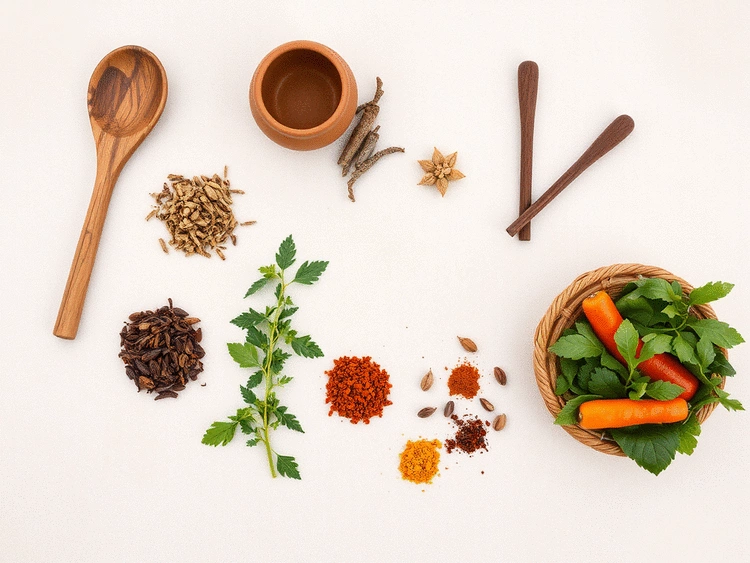

What if the meals you cherish could tell stories of the past? Embracing forgotten food traditions not only revives flavors but also connects us to our culinary heritage. Dive into the art of nostalgic cooking and discover the richness it brings to modern kitchens.
What You Will Learn
- Nostalgic cooking techniques provide a connection to culinary heritage, enriching our cooking practices.
- Reviving historical methods enhances flavor and preserves cultural identity in our meals.
- Techniques like blackening fish and using potato water promote sustainability and creativity in cooking.
- Understanding food preservation methods is essential for reducing waste and celebrating seasonal ingredients.
An Overview of 5 Traditional Cooking Techniques
Delve into these unique methods that enhance flavors and connect us to culinary heritage. For more insights on tapping into timeless culinary practices, explore authentic culinary traditions.
Understanding the Charm of Forgotten Food Traditions
In our fast-paced world, the charm of forgotten food traditions often gets overshadowed. Yet, these historical cooking methods hold a wealth of knowledge that can elevate our culinary experiences today. By embracing these techniques, we can reconnect with the stories and flavors that shaped our ancestors’ meals—an essential journey for any passionate food enthusiast!
As I delve into these techniques, I find that they resonate deeply with my mission at Born Foodie. Each recipe, each method has a memory woven into it, waiting to be rediscovered. It’s about more than just cooking; it’s about telling a story through flavors and textures. Learn more about how food sparks joy and memories in our article on foods that spark joyful memories.
Why Nostalgic Cooking Techniques Matter for Food Enthusiasts
Nostalgic cooking techniques are not just relics of the past; they are keys to understanding our culinary heritage. For food enthusiasts, these methods offer a tangible connection to history, reminding us of the communal aspects of dining and the importance of tradition. By integrating these techniques into our cooking, we not only preserve them but also enrich our own culinary practices!
- Preservation of Culture: Each technique encapsulates the essence of a culture.
- Flavor Depth: Historical methods often enhance the taste in unique ways.
- Connection to Roots: Cooking these dishes can evoke cherished memories and stories.
As we explore these techniques, we can appreciate the artistry that goes into each dish. Isn’t it fascinating how a simple cooking method can hold so much meaning and flavor? Let’s dive deeper into our culinary roots!
Exploring Culinary Heritage: The Backbone of Traditional Cooking
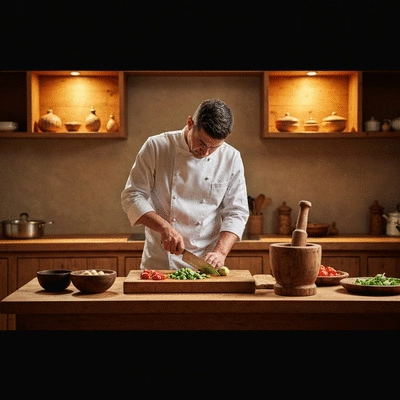
Culinary heritage serves as the backbone of traditional cooking, shaping how we prepare and enjoy food. This heritage encompasses not just recipes, but the customs, rituals, and philosophies surrounding food. Understanding this context allows us to appreciate the rich narratives behind our meals.
At Born Foodie, I believe that every dish tells a story, and embracing our culinary origins can greatly enhance our appreciation of food. By learning about our ancestors' cooking practices, we can find inspiration in their simplicity and ingenuity.
Reviving Obscure Cooking Techniques: A Focus on 5 Unique Methods
1. The Art of Blackening Fish: A Flavorful Revival
Blackening fish is a technique rooted in the culinary traditions of the American South. This method involves seasoning the fish with a blend of spices and cooking it at high temperatures, creating a beautifully charred, flavorful crust. Not only does this technique enhance the fish's natural taste, but it also gives a nod to the rich cultural history of Southern cooking!
At Born Foodie, I love sharing recipes that incorporate this technique, bringing the flavors of the South into modern kitchens. Have you tried blackening fish before? It can transform a simple meal into something extraordinary!
2. Tenderizing with Baking Soda: A Forgotten Hack
Tenderizing meat with baking soda may seem unconventional, but it’s a clever technique that dates back to ancient cooking practices. This method relies on the science of alkalinity to break down tough fibers in meat, resulting in a tender texture. Imagine a flavorful dish without the long marinating time! It’s a hack worth exploring.
By incorporating this method into your cooking, you save time while enhancing the quality of your meals. Have you ever experimented with baking soda in your dishes? The results can be quite surprising!
3. Utilizing Potato Water: Sustainability in Cooking
Did you know that the starchy water leftover from boiling potatoes can be a culinary gem? Utilizing potato water in recipes not only contributes to sustainability but also enhances flavors and textures. It’s a fantastic way to minimize waste while adding a unique twist to your dishes!
- Add it to soups for a creamy texture.
- Use it for making bread to improve rise and flavor.
- Incorporate it into sauces as a thickening agent.
This zero-waste practice is something I encourage all food lovers to adopt. How do you incorporate sustainability into your cooking? Let’s share ideas and inspire each other!
4. Wild Foraging and Cooking: Embracing Nature's Bounty
Foraging for wild plants may sound adventurous, but it's a practice that connects us directly with nature. From wild herbs to edible flowers, incorporating foraged ingredients into meals can elevate flavors and celebrate seasonal abundance. Imagine the stories each ingredient can tell!
At Born Foodie, I find joy in sharing tips on how to forage safely and responsibly. It’s a culinary adventure that not only enhances our dishes but also enriches our relationship with the environment. Have you ever foraged for ingredients? It’s a delightful experience!
5. Home Smoking Techniques: Crafting Unique Flavors
Smoking foods at home is a delightful way to impart deep, rich flavors to meats and vegetables. Using simple tools like a stovetop smoker or wood chips, anyone can create unique, smoky dishes! This technique has roots in ancient preservation methods but has evolved into a beloved culinary art.
Here’s a quick guide to get started:
- Select your protein or vegetable.
- Season generously with your favorite spices.
- Prepare your smoker and add wood chips.
- Smoke until the desired flavor is achieved.
Doesn’t that sound enticing? Home smoking is an exciting way to experiment with flavors and create memorable dishes that impress your family and friends!
Pro Tip
Did you know? Incorporating wild foraged ingredients into your dishes not only elevates flavors but also connects you to the environment. Try adding a unique wild herb or edible flower to your next meal and experience how it transforms the dish!

Reflecting on the Value of Forgotten Food Traditions
As we dive deeper into our culinary journey, it’s crucial to understand how techniques from the past continue to shape our modern experiences in the kitchen. The role of nostalgia in cooking connects us to our roots and enriches our present culinary adventures. Remember the last time you savored a dish that transported you back to your childhood? It's in those moments that we realize how food can weave together memories and emotions.
Food traditions, especially those that have faded over time, invite us to share stories that go beyond mere recipes. They encourage us to explore techniques that our ancestors used, which often tell tales of survival, creativity, and community. This connection can profoundly enhance how we appreciate our meals today. So, what cooking techniques from your past do you cherish most?
The Role of Nostalgia in Cooking
Nostalgic cooking isn’t just about flavor; it’s about fostering emotional connections. When we cook dishes that remind us of family gatherings or cultural celebrations, we’re not just preparing food—we’re reliving moments filled with laughter and love. Here are some ways that nostalgia plays a vital role in our culinary experiences:
- Emotional Connections: Food brings back powerful memories, evoking feelings of warmth and comfort.
- Cultural Heritage: Traditional recipes often reflect our cultural backgrounds, helping preserve our heritage.
- Sharing Stories: Each dish has a story that can be passed down through generations, enriching our family narratives.
By embracing these connections, we can create meals that resonate with our personal history, reminding us of who we are and where we come from. Is there a dish that holds a special place in your heart?
Understanding Food Preservation Techniques: A Key to Culinary Sustainability
Preserving food is not merely a survival tactic; it’s an art form that has been passed down through generations. In today's culinary landscape, understanding these techniques is essential for promoting sustainability. Let’s explore some traditional food preservation methods that can enhance your cooking while reducing waste:
- Canning: A timeless method that allows us to enjoy seasonal produce all year round.
- Fermentation: This technique not only preserves food but also enhances its nutritional value and flavor.
- Drying: A simple way to extend the shelf life of fruits, herbs, and vegetables, enriching meals with concentrated flavors.
- Freezing: Ideal for retaining the freshness of ingredients, allowing for easy meal prep and less spoilage.
These methods resonate with our mission at Born Foodie to celebrate culinary traditions while advocating for sustainable practices. By incorporating these techniques into our cooking, we not only honor the past but also contribute to a healthier planet. Have you tried any of these preservation techniques in your kitchen?
Frequently Asked Questions (FAQs)
Here are some common questions about forgotten food traditions and nostalgic cooking:
- Q: What is nostalgic cooking?
- A: Nostalgic cooking involves reviving traditional and historical cooking methods and recipes that connect us to our culinary heritage and evoke cherished memories.
- Q: Why are forgotten food traditions important?
- A: They are important because they preserve culture, offer unique flavor depths, promote sustainability, and provide a tangible connection to our roots and the stories of our ancestors.
- Q: What are some examples of obscure cooking techniques?
- A: Examples include blackening fish for a charred crust, tenderizing meat with baking soda, utilizing potato water for enhanced dishes, wild foraging for ingredients, and home smoking techniques for rich flavors.
- Q: How can I incorporate sustainability into my cooking?
- A: You can incorporate sustainability by utilizing ingredients like potato water to minimize waste, practicing wild foraging responsibly, and exploring traditional food preservation methods such as canning, fermentation, drying, and freezing.
- Q: How does food connect to emotional memories?
- A: Food often brings back powerful memories and feelings of warmth and comfort, deeply linking to personal history and cultural heritage. Cooking traditional dishes can be a way to relive these moments and pass down stories.
Take Action: Rediscover and Share Unique Cooking Techniques
Encouraging a Community of Culinary Enthusiasts
As we reflect on the value of forgotten food traditions, I invite you, dear readers, to join me in a culinary adventure! Let’s experiment with these techniques and share our findings with one another. Whether it’s attempting to can your favorite fruit or trying your hand at fermentation, your experiences matter. Sharing our culinary journeys fosters a supportive community that celebrates creativity and sustainability in cooking.
Engage with fellow food lovers by sharing your stories and recipes on social media or within local culinary groups. Have you discovered a unique cooking technique that has transformed your meals? Let's keep the conversation going and inspire others to reconnect with their culinary heritage. You might even discover new ways to blend innovation with tradition in your kitchen.
Join the Movement for Sustainable Cooking
In conclusion, preserving our culinary heritage is not just about keeping traditions alive; it’s about paving the way for future generations to appreciate the rich narratives and techniques that food offers. As we embrace these forgotten methods, we also advocate for a more sustainable approach to cooking. Let’s work together to create a future where every meal tells a story, and every technique honors our shared past. To further understand the subtle nuances that influence our dining experiences, consider how textures impact taste perception.
So, what will you try next? Let’s embark on this journey, rediscovering the joy and value of traditional cooking techniques, one dish at a time!
Recap of Key Points
Here is a quick recap of the important points discussed in the article:
- Preservation of Culture: Embracing nostalgic cooking techniques helps preserve cultural heritage and enhances our culinary practices.
- Flavor Depth: Historical cooking methods can elevate the taste and quality of our meals.
- Sustainability: Techniques such as using potato water and home smoking contribute to sustainable cooking practices.
- Culinary Heritage: Understanding our culinary origins allows for a richer appreciation of food and its stories.
- Community Engagement: Sharing unique cooking techniques fosters a supportive community of culinary enthusiasts.