
What if I told you that the secret to elevating your culinary creations lies in understanding the science of pH? This seemingly simple concept can transform flavors and enhance your cooking experience in unexpected ways.
What You Will Learn
- pH levels significantly influence flavor perception; acidic foods often taste sour, while alkaline foods can enhance bitterness.
- A slightly acidic environment can boost the sweetness of fruits, making them more flavorful and enjoyable.
- Manipulating pH can create harmony in dishes, allowing different flavors to complement rather than overpower each other.
- Understanding pH is crucial for food preservation; the right levels can inhibit undesirable microorganisms, ensuring food safety.
The Impact of pH on Food: Flavor, Perception, and Preservation
pH levels play a crucial role in shaping our culinary experiences, influencing everything from how food tastes to how long it stays fresh. Below, we break down these key impacts. Understanding the intricate relationships between ingredients and their chemical properties can truly transform your cooking at home.
pH Influence on Flavor Profiles
- •
Enhancing Sweetness: Slightly acidic environments boost natural sugars (e.g., ripe fruits).
- •
Softening Bitterness: Alkaline ingredients can counteract bitterness (e.g., dark chocolate).
- •
Creating Harmony: Balancing acidic and alkaline components leads to complex flavor profiles.
pH in Taste Perception
- •
Acidic Foods: Brighten flavors and add zest (e.g., lemons, vinegar, salsa, pickles).
- •
Alkaline Foods: Provide a milder taste and creamy mouthfeel (e.g., baking soda, avocado, cheese).
- •
Stimulation: Acidity stimulates taste buds, making flavors "pop."
pH in Food Preservation
- •
Inhibiting Microorganisms: Appropriate pH levels prevent spoilage and ensure food safety.
- •
Preservation Methods: Crucial for techniques like canning and fermentation.
- •
Maintaining Quality: Helps retain flavor and texture over time.
pH Scale Basics
pH measures acidity/alkalinity on a scale from 0 to 14.
The Role of pH in Shaping Food Flavor and Quality
Understanding the role of pH in our culinary creations is like unlocking a secret ingredient! pH, which stands for “potential of hydrogen,” measures the acidity or alkalinity of a solution on a scale from 0 to 14. A pH of 7 is considered neutral, anything below is acidic, and anything above is alkaline. This scale is crucial in food science because it impacts everything from flavor to preservation.
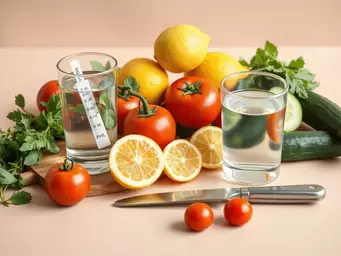
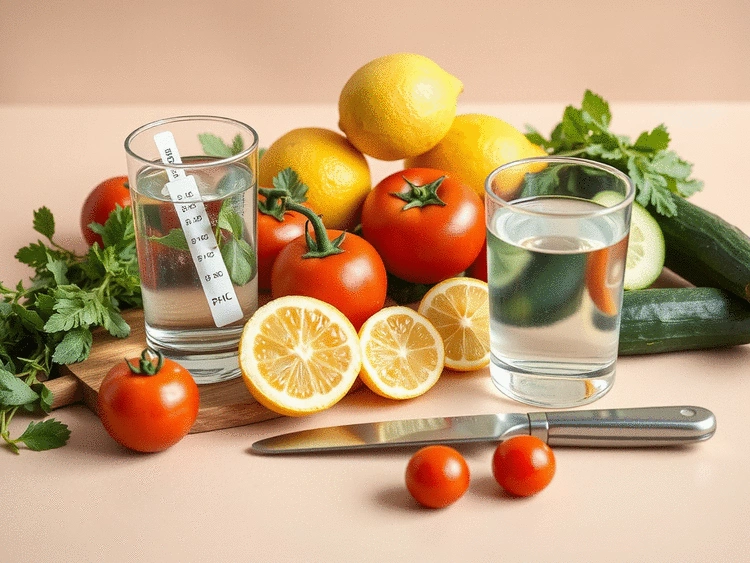
In our kitchen adventures at Born Foodie, I often reflect on how the pH of ingredients can completely transform a dish. For instance, tomatoes have a pH around 4, contributing to their delicious tang, while baking soda, which is alkaline, can neutralize acidity in recipes, altering the final flavor. This connection between pH and flavor is truly fascinating! Learning about these scientific principles helps us appreciate the flavor and the chef's imagination in creating culinary masterpieces.
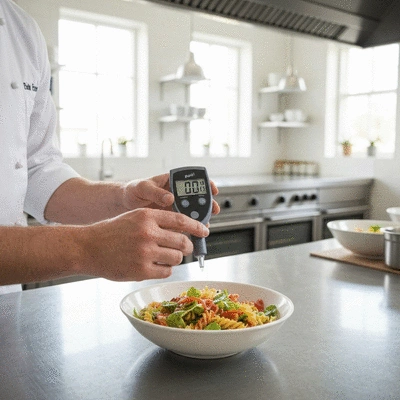
Understanding pH Levels in Food
So, what does pH really mean for food? It provides insight into how ingredients interact with each other and how they can affect our taste buds. Here’s a quick look at how pH influences the culinary world:
- Acidity: Foods with lower pH levels, like lemons and vinegar, are often perceived as sour or tart.
- Bitterness: Higher pH levels can enhance bitter flavors, often found in foods like dark chocolate or coffee.
- Sweetness: A neutral to slightly acidic environment can elevate sweetness, as seen in ripe fruits.
By grasping these concepts, we can better appreciate the nuance of flavors. Have you ever considered how the acidity in your favorite salad dressing enhances the freshness of the greens? Each ingredient plays a part in creating that delightful explosion of taste!
How pH Influences Flavor Profiles
The relationship between pH and flavor is a dance of science and art. Imagine a perfectly balanced dish, where each flavor shines without overpowering the others. This balance is often achieved by manipulating pH levels. For example, when cooking with fruits, a dash of lemon juice can brighten flavors, enhancing the overall taste experience.
Here are some ways pH interacts with flavor attributes:
- Enhancing sweetness: A slightly acidic environment boosts natural sugars, making fruit more flavorful.
- Softening bitterness: Alkaline ingredients can help counteract bitterness, allowing other flavors to come forward.
- Creating harmony: Balancing acidic and alkaline components leads to delightful, complex flavor profiles.
As we explore these ideas, I encourage you to think about how you can incorporate pH awareness into your cooking. What combinations of ingredients could be adjusted for a more balanced flavor? It’s all about experimentation!
The Role of Acidity and Alkalinity in Taste Perception
Acidic and alkaline foods play unique roles in our taste perception, contributing richly to the overall flavor experience. For instance, the refreshing zing of a citrus fruit comes from its acidity, while the smoothness or creaminess in a dish may be enhanced by alkaline ingredients like baking powder.
When we indulge in meals, the acidity in foods can also stimulate our taste buds, making flavors pop. Here’s how different pH levels contribute to taste:
- Acidic foods: Brighten flavors and add zest (think salsa or pickles).
- Alkaline foods: Provide a milder taste, creating a creamy mouthfeel (like avocado or certain cheeses).
While savoring your next meal, take a moment to appreciate how these flavors come together. Do you notice the balance of acidity in your favorite dishes? It’s this interplay that makes each culinary experience a vivid tapestry of taste!
Preservation Techniques: The Chemistry of pH in Food Safety
Maintaining the safety and quality of our food is essential, and understanding pH levels is a key element in achieving this. Appropriate pH levels can help inhibit undesirable microorganisms, ensuring our meals are safe and delicious. By observing these factors, we can improve our cooking practices while preserving the flavors we love!
Pro Tip
Did you know? Adjusting the pH of your cooking can drastically transform the flavors in your dishes. For instance, a simple splash of vinegar or a squeeze of lemon can enhance the sweetness of fruits and brighten the overall flavor profile of your meals. Don't be afraid to experiment with acidity levels in your favorite recipes to discover new and exciting taste experiences!
Summarizing the Impact of pH on Food Experience
As we’ve explored, the impact of pH in our food is profound. It shapes not just the flavor but also the safety and preservation of what we eat. Understanding pH helps us appreciate the delicate balance that exists between acidity and taste, influencing everything from how a dish is seasoned to how long it can be stored without spoiling.
Moreover, pH plays an essential role in the preservation methods we choose. From canning to fermentation, maintaining the right pH ensures that our food remains safe and delicious. By recognizing the importance of pH, we can elevate our culinary experiences and savor the true essence of every dish.
Taking Action: Implementing pH Knowledge in Your Kitchen
I encourage you to take this knowledge of pH and apply it in your own kitchen! Experiment with flavors by adjusting the acidity levels of your favorite recipes. Use simple techniques like adding a splash of vinegar or a squeeze of citrus to bring out the best in your dishes. Here are some actions to consider:
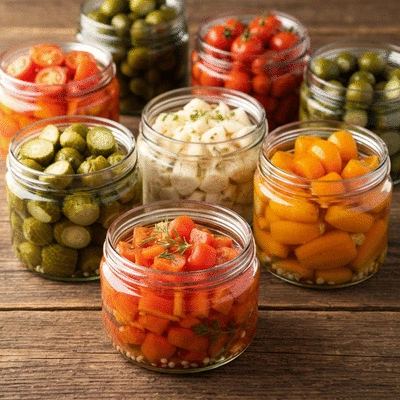
- Try pickling vegetables to understand how acidity affects flavor and preservation. This technique is often seen in reviving regional food traditions.
- Experiment with cooking methods that alter pH, such as roasting versus steaming.
- Keep a note of your favorite flavor pairings and consider how pH contributes to those combinations.
Engaging with your food through the lens of pH not only enhances your cooking but also deepens your connection to the culinary arts. I’d love to hear your stories! Please share your insights and adaptations in the comments or through social media. What flavor transformations have you experienced by managing pH in your cooking? Let’s explore these exciting culinary adventures together!
Recap of Key Points
Here is a quick recap of the important points discussed in the article:
- pH levels range from 0 to 14, with lower values indicating acidity and higher values indicating alkalinity, impacting flavor and preservation.
- Understanding how pH influences flavors can enhance culinary experiences; for example, acidic foods brighten flavors while alkaline ingredients can soften bitterness.
- Experimenting with pH in cooking, such as using lemon juice to enhance sweetness or pickling for preservation, can lead to more balanced and flavorful dishes.
- Proper pH levels are crucial for food safety, helping to inhibit undesirable microorganisms and prolong the quality of food.