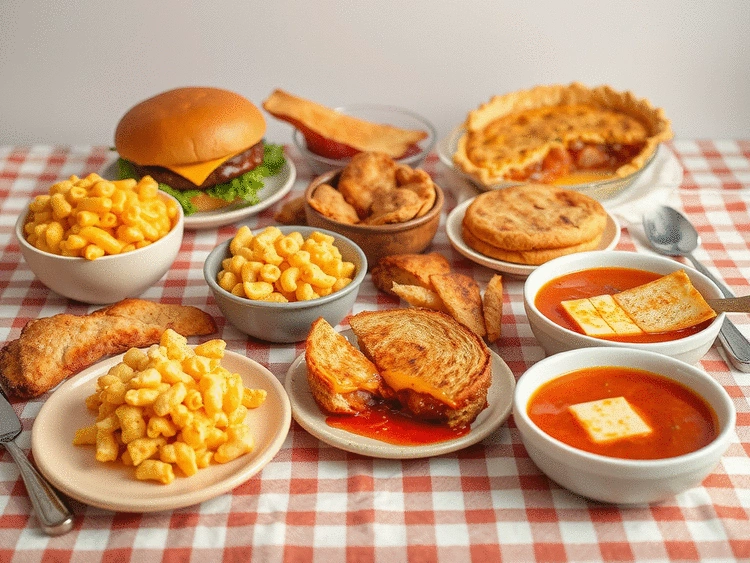

Have you ever taken a bite of food that instantly transported you to a cherished moment in your life? It’s remarkable how flavors can evoke powerful memories and emotions. In this exploration of nostalgic food experiences, we delve into the connections that shape our culinary journeys.
What You Will Learn
- Food serves as a vessel for cherished memories, often associated with family gatherings and significant life events.
- Our senses play a crucial role in nostalgia, where taste, smell, and visuals can trigger profound emotional connections to food.
- Nostalgic cuisine reflects cultural backgrounds and traditions, telling stories that connect us to our heritage.
- To find nostalgic dining experiences, explore local eateries, participate in food tours, and engage with community members for recommendations.
The Journey of Nostalgic Food Experiences
Delve into the key elements that make food nostalgic and discover how they connect us to cherished memories and traditions.
Emotional Connections
- • Comfort from family recipes
- • Celebrations with specific dishes
- • Shared meals with loved ones
Sensory Triggers
- • Unique flavor profiles
- • Evocative aromas and smells
- • Visual cues and presentation
Finding Nostalgic Dining Experiences
- Local Eateries
- Community Recommendations
- Food Blogs & Tours
- Cultural Heritage Spots
Understanding Nostalgic Food Experiences and Their Appeal
Nostalgic food experiences hold a special place in our hearts, don't they? There's something about savoring a dish that transports us back to a moment in time, filled with warmth and memories. At Born Foodie, we explore these emotional connections, diving into what makes certain foods resonate so deeply with us. So, what really makes food nostalgic? Let’s unpack this deliciously complex topic!
What Makes Food Nostalgic? Key Elements to Consider
Emotional Connections and Memories Associated with Food
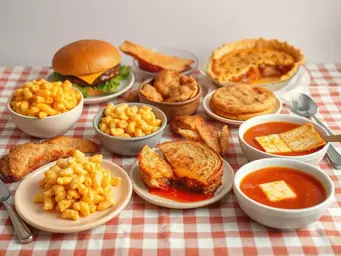
Food is more than just sustenance; it’s a vessel for our cherished memories. Each bite can evoke feelings tied to family gatherings, childhood adventures, or even a special someone. For me, the aroma of baking bread brings back the joy of my grandmother's kitchen, where we spent countless Sundays together. What about you? What emotional food memories are tied to your favorite dishes?
- The feeling of comfort from a family recipe
- Celebrations marked by specific dishes
- Experiences shared with loved ones over meals
These emotional connections form the backbone of why we find certain foods nostalgic. When we eat a dish that holds meaning, it’s like reliving those moments all over again!
Sensory Triggers: Taste, Smell, and Visual Cues
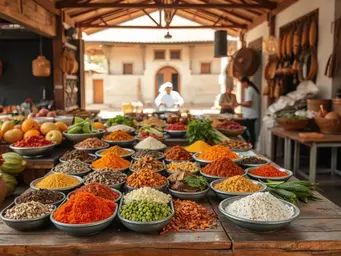
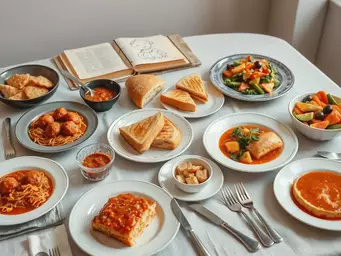
Our senses play a critical role in shaping our food memories. The taste of a particular recipe, the smell of spices wafting through the air, or even the sight of a well-set table can trigger profound memories. Imagine walking into a cafe where the scent of fresh pastries instantly reminds you of a beloved family brunch! Isn’t it amazing how our senses can transport us?
- Taste: Unique flavor profiles that remind us of home
- Smell: Aromas that bring back specific memories
- Visuals: Presentation and colors that resonate with our experiences
These sensory triggers aren’t just fleeting; they often anchor our experiences in time and place, making every meal an opportunity to relive treasured moments.
Exploring Food Memories: The Role of Nostalgic Cuisine
Nostalgic cuisine often reflects our cultural backgrounds and traditions. Whether it's a comforting bowl of pasta or a spicy curry, the dishes we hold dear can tell stories about our heritage. At Born Foodie, we celebrate these culinary narratives, recognizing how they shape our identities and community connections. Do you have a dish that tells your story?
- Regional specialties tied to local traditions
- Family recipes passed down through generations
- Comfort foods linked to specific life events
By exploring these food memories, we not only honor our individual stories but also connect with the collective experiences of those around us. Food truly is a universal language!
Identifying Restaurants That Evoke Nostalgia
Now that we've unpacked the emotional and sensory aspects of nostalgic food, let's dive into finding restaurants that can evoke these sentiments. It’s all about seeking those hidden gems that remind us of simpler times and cherished meals. Ready to discover some nostalgic culinary spots? Let’s go!
Quick Summary
Here's a brief recap of the key points discussed so far:
- Food serves as a vessel for cherished memories, connecting us to family and special moments.
- Sensory elements—taste, smell, and visuals—play a crucial role in triggering these nostalgic experiences.
- Nostalgic cuisine reflects our cultural backgrounds and personal histories, enriching our culinary identities.
Frequently Asked Questions About Nostalgic Food Experiences
Q: What makes a food "nostalgic"?
A: Nostalgic food is characterized by its ability to evoke strong emotional connections to past memories, often tied to family, childhood, or significant life events. These connections are triggered by a blend of emotional, sensory, and cultural elements.
Q: How do our senses contribute to food nostalgia?
A: Our senses—taste, smell, and sight—are crucial. Specific flavor profiles, aromas, and even the visual presentation of a dish can trigger powerful memories, transporting us back to the time and place where we first experienced those sensations.
Q: How does cultural background influence nostalgic food?
A: Nostalgic cuisine often reflects our cultural heritage and traditions. Dishes passed down through generations, regional specialties, and comfort foods linked to specific cultural celebrations all tell stories about our identity and connect us to our roots.
Q: Where can I find restaurants that offer nostalgic dining experiences?
A: To find nostalgic dining experiences, consider exploring local eateries known for traditional dishes, engaging with community members for recommendations, participating in food tours that highlight local culinary traditions, and checking food blogs or online communities.
Q: Why is sharing food memories important?
A: Sharing food memories not only inspires others but also contributes to a vibrant community of food enthusiasts. It allows us to celebrate our collective love for food, honor individual stories, and connect through shared experiences, enriching our appreciation for food and culture.
Wrapping Up Your Quest for Nostalgic Dining Experiences
As we conclude our exploration of nostalgic dining, it's clear that the connections we forge through food are profound. Whether it’s the aroma of a beloved dish or the ambiance of a cherished restaurant, these experiences resonate deeply within us. By seeking out places that evoke these feelings, we can enrich our culinary journeys and celebrate the memories that food brings to life!
Remember, the journey to uncovering nostalgic dining experiences is not just about the food; it’s also about the stories and memories that come with it. What have you discovered on your quest for nostalgia?
Key Takeaways for Food Enthusiasts Seeking Nostalgia
Here are some essential tips and resources to help you find those enchanting restaurants that transport you back in time:
- Explore local eateries that showcase traditional dishes and unique atmospheres.
- Engage with community members and online platforms to gather recommendations.
- Consider sharing your own food memories to inspire others!
- Participate in food tours that highlight local culinary traditions.
These steps will guide you toward discovering those hidden gems that not only please the palate but also warm the heart. Have you visited a restaurant that reminded you of family gatherings or special occasions? I would love to hear your stories!
Summary of Tips and Resources for Finding Restaurants
To recap, consider focusing on local favorites, vintage dining spots, and restaurants that celebrate cultural heritage. As a lover of food, I find that each meal is a canvas painted with flavors and memories. The tips we've discussed can help you uncover places where these connections flourish!
Don't forget to explore various dining resources, from food blogs—like my own at Born Foodie—to social media platforms where food lovers share their experiences. The world of nostalgic dining is vast, and every shared story adds to its richness!

Encouragement to Share Your Own Nostalgic Food Experiences
I invite you to share your culinary journeys with me! What dishes have evoked cherished memories for you? Perhaps a favorite recipe from your grandmother or a restaurant that feels like home? Your insights not only inspire me but contribute to a vibrant community of food enthusiasts.
Engaging with each other allows us to celebrate our collective love for food and its memories. So, let’s keep the conversation going and explore the emotional landscapes of our culinary experiences together!
Consider Joining Food Tours to Explore Culinary Traditions
Another wonderful way to dive into nostalgia is by joining food tours that focus on local culinary traditions. These tours often provide a unique perspective on the culture behind the cuisine and can lead you to some incredible dining experiences.
With guided explorations, you’ll not only taste delicious food but also hear the stories behind the dishes that shaped a community. So, whether you’re visiting a new city or exploring your hometown, consider signing up for a tour that promises to connect you with the flavors of the past!
Engage with Us: Your Next Steps for Culinary Exploration
Now that we’ve explored the world of nostalgic dining, it’s time to engage and share! There’s so much to discover together, and I’m excited about what comes next on this delicious journey.
Join the Conversation: Share Your Local Finds
Connecting with fellow food lovers can open doors to new experiences and insights. Here are some ways you can engage:
- Share your favorite local restaurants on social media using hashtags related to nostalgic dining.
- Join food forums or communities where enthusiasts exchange recommendations and stories.
- Follow food bloggers and culinary influencers for unique insights into their experiences.
By sharing your discoveries, you contribute to a tapestry of culinary storytelling that enriches our appreciation for food and culture.
Where to Connect with Other Food Lovers and Enthusiasts
There are several online platforms where food enthusiasts gather. Look for local food groups on Facebook, join Instagram communities through hashtags, or explore Reddit threads focusing on food experiences.
What’s your favorite way to connect with other culinary adventurers? I’d love to hear how you engage with the vibrant food community!
Feedback on Your Experiences and Recommendations
Your feedback is invaluable! If you’ve visited a restaurant that transported you to a cherished memory, share it with me. I find that every dining experience offers a new story that deserves to be told.
Plus, I’m always eager for recommendations on the best spots to explore next—let’s create a treasure trove of culinary experiences together!
Engaging with Food Bloggers and Culinary Influencers for Insights
Finally, don’t hesitate to connect with food bloggers and influencers who share your passion. They often provide valuable insights and hidden gems that can lead you to your next favorite restaurant.
At Born Foodie, we aim to build a community that celebrates the emotional narratives behind our meals. Together, let’s uncover the stories that make dining an unforgettable journey!
Recap of Key Points
Here is a quick recap of the important points discussed in the article:
- Nostalgic food experiences evoke emotional connections tied to memories and cherished moments.
- Sensory triggers such as taste, smell, and visuals play a significant role in recalling food memories.
- Exploring nostalgic cuisine helps honor cultural backgrounds and personal stories associated with food.
- Finding restaurants that evoke nostalgia involves seeking local eateries and sharing experiences with others.
- Engaging with food communities and participating in food tours can enhance culinary exploration.